Welcome!

Why are traditional scaffolding structures being replaced by aerial work platforms?
 Share
Share


Product Description
Why are traditional scaffolding structures being replaced by aerial work platforms?
In various aerial work scenarios such as building construction, workshop operation and maintenance, venue decoration, property maintenance and inspection, traditional scaffolding, which has long occupied the mainstream, is being rapidly replaced and upgraded by aerial work platforms. This is not only an upgrade of construction equipment, but also an inevitable choice for the entire industry to move towards safety compliance, operational efficiency, cost refinement and scenario refinement.
I. Core Pain Points of Traditional Scaffolding
1. Safety Hazards Are Prominent
Safety relies heavily on manual erection, which has extremely high requirements for the experience of construction workers. Problems such as loose fasteners, unstable scaffold structures, and missing protective devices are prone to occur, making it the main cause of high-altitude fall accidents. Under increasingly strict safety supervision, the risk cost continues to rise.
2. Low Construction Efficiency and Delayed Schedule
Large-scale scaffolding requires the coordination of many workers, and its erection and disassembly take days or even weeks. The costs of transportation, storage and site occupation are also high, making it unable to meet the needs of rapid construction, multi-point maintenance, emergency repair and other scenarios.
3. High Comprehensive Cost
Pipes and fasteners have a high loss rate and a low reuse rate; the costs of manual erection, disassembly, supervision and transportation are increasing year by year; long-term occupation of sites and funds leads to hidden costs far exceeding explicit investment.
4. Poor Scene Adaptability
The height and position are fixed, so it cannot be flexibly moved or adjusted. It is difficult to erect in narrow spaces, elevator rooms, narrow passages and equipment-intensive areas, failing to meet the needs of refined and small-space high-altitude operations.
II. Advantages of Aerial Work Platforms as Alternatives
1. Comprehensive Upgrade in Safety Performance
The equipment is equipped with standard guardrails and multiple safety devices, including anti-fall protection, overload protection, tilt alarm, and emergency lowering. Adopting standardized design and production, it greatly reduces potential safety hazards caused by manual erection. It fully complies with safety production regulations and is easier to pass on-site safety inspections.
2. Significant Improvement in Work Efficiency
No erection or disassembly is required; the equipment can be put into use immediately upon arrival at the site and ready for operation in just a few minutes. It allows free movement, flexible lifting, and precise positioning, easily handling multi-point, high-frequency, and short-cycle operations. A single operator can work independently, significantly saving labor and construction time.
3. Better Life-Cycle Cost Efficiency
It eliminates substantial costs such as scaffolding erection, disassembly, management, and material loss. The equipment can be rented or purchased, flexibly adapting to both short-term projects and long-term use without idle waste or storage pressure. With a low failure rate and simple maintenance, its long-term cost performance is much higher than traditional scaffolding.
4. Stronger Scenario Coverage Capability
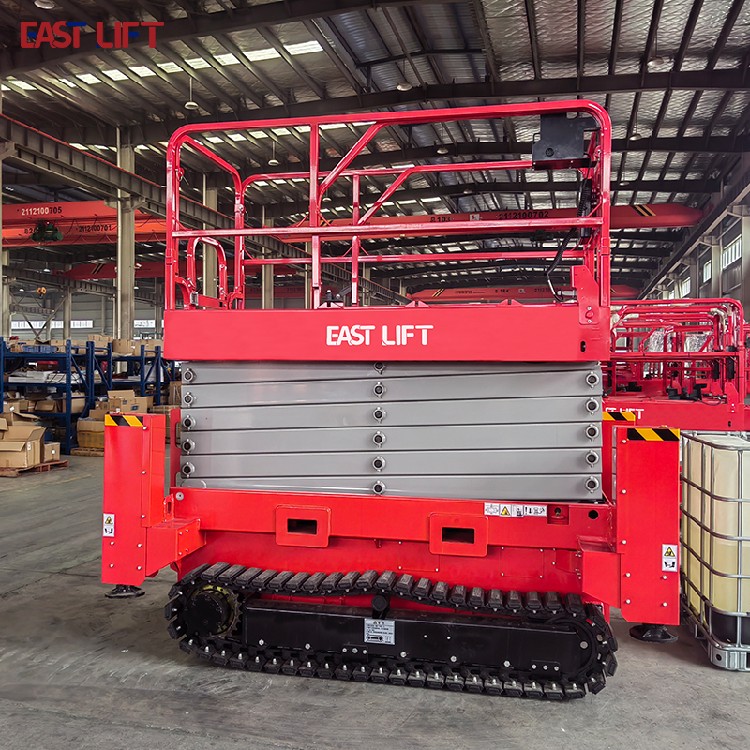
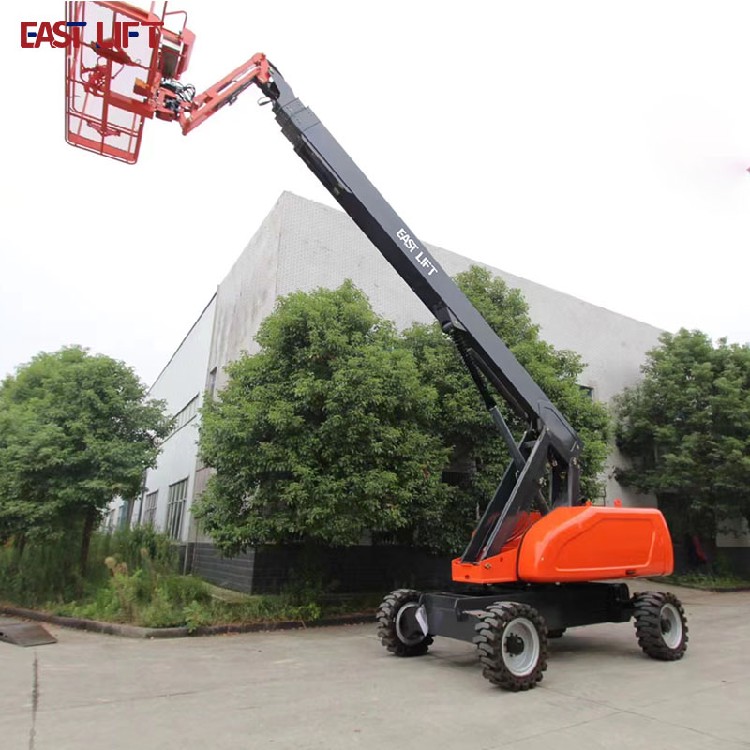
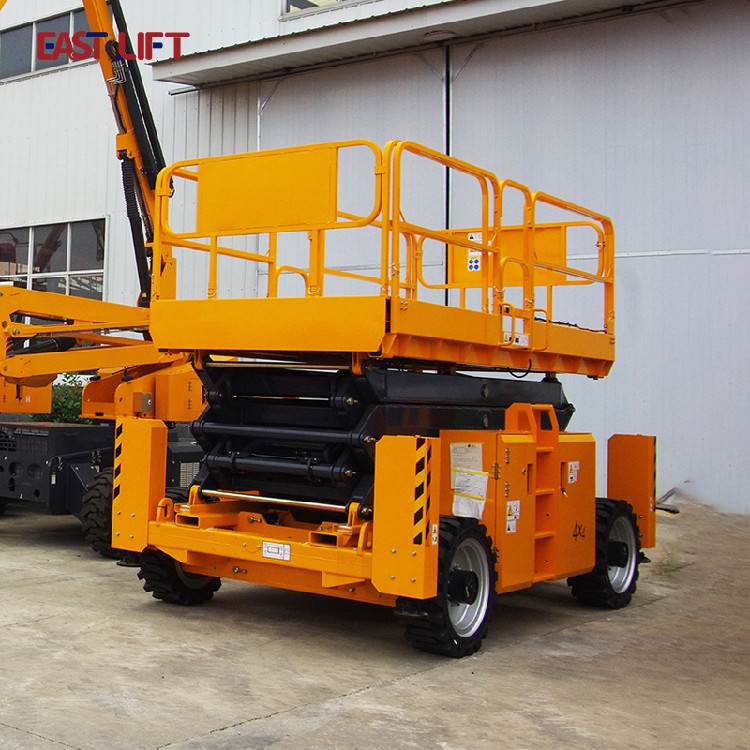
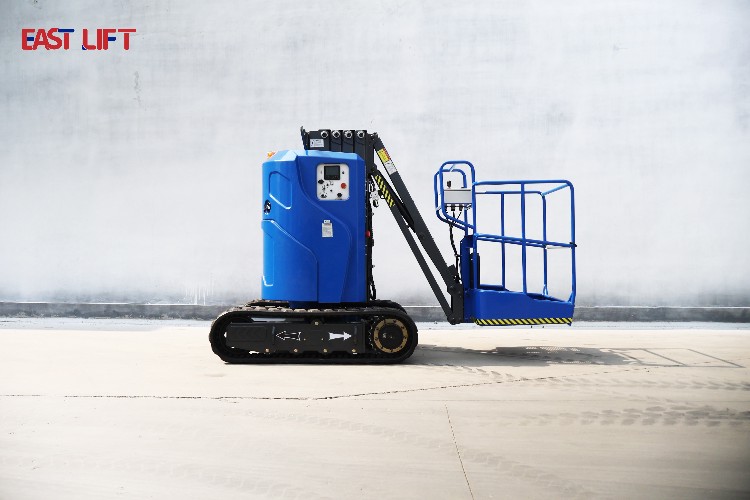
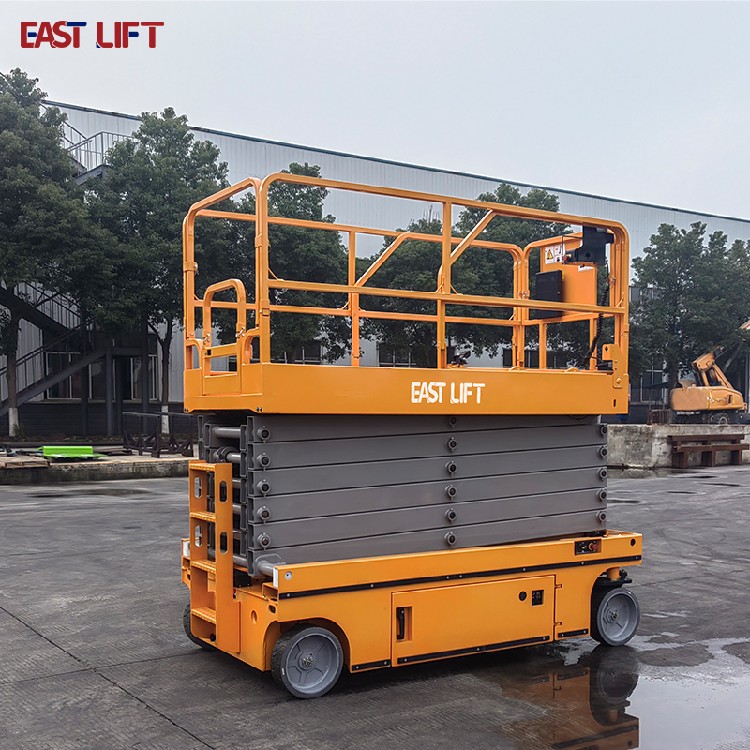
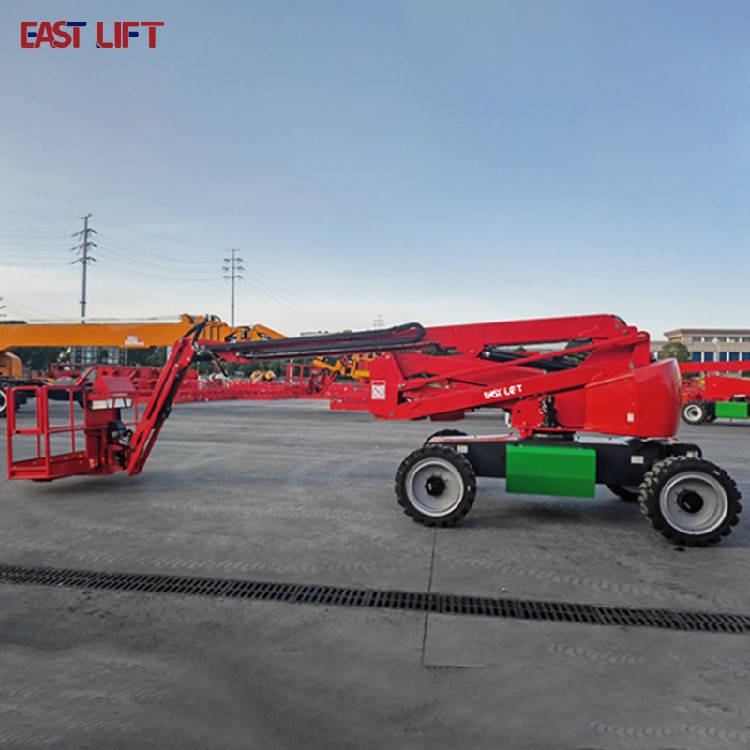
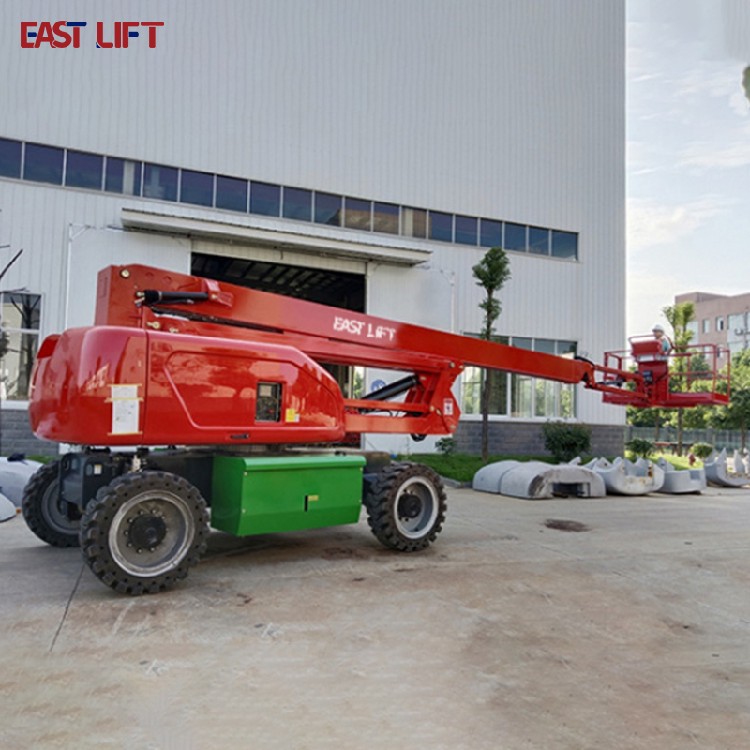
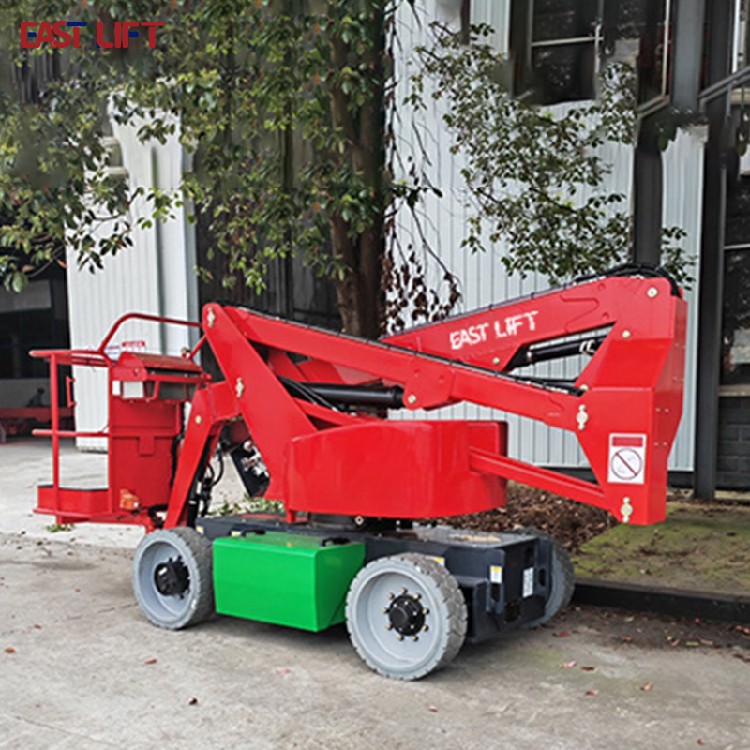
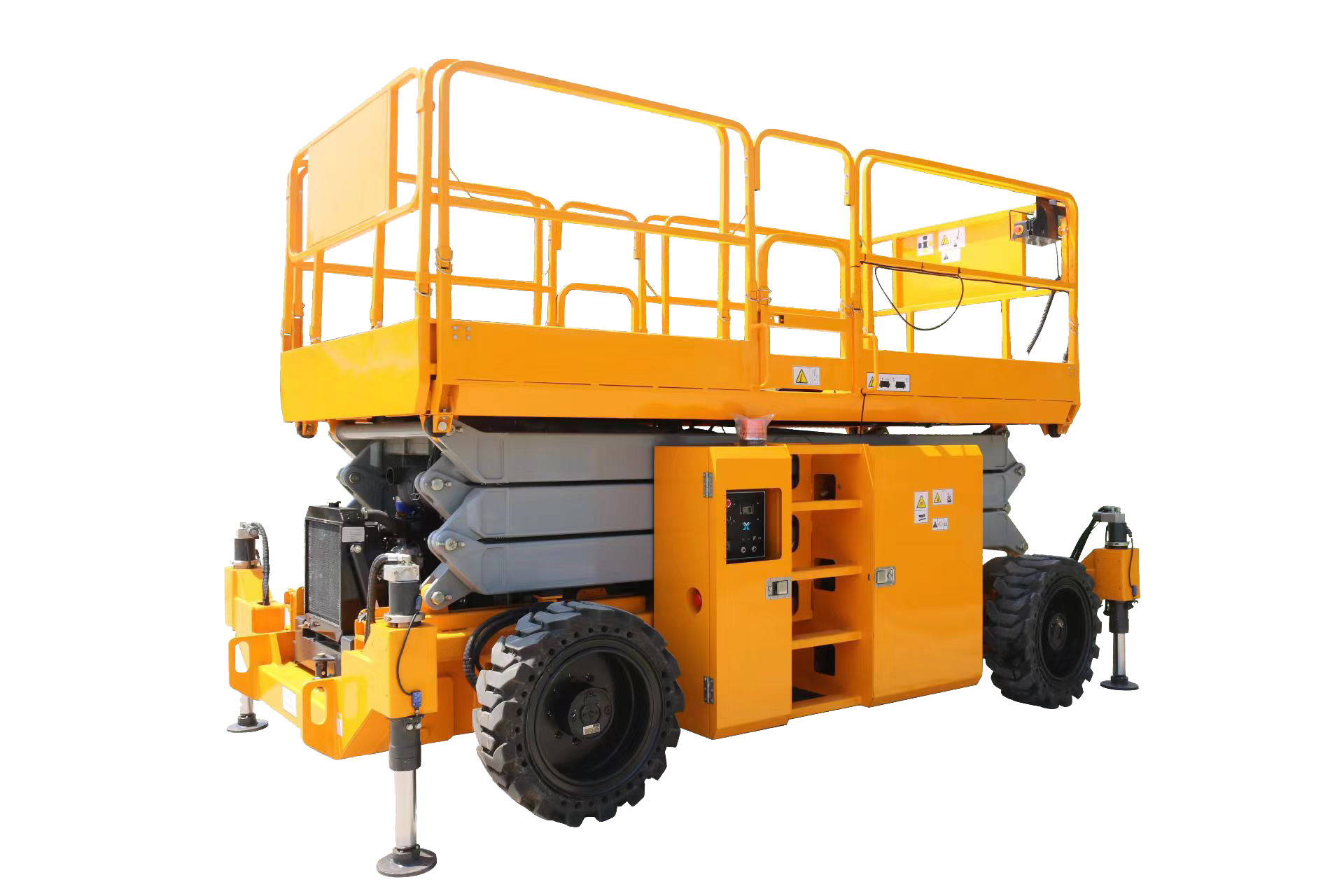
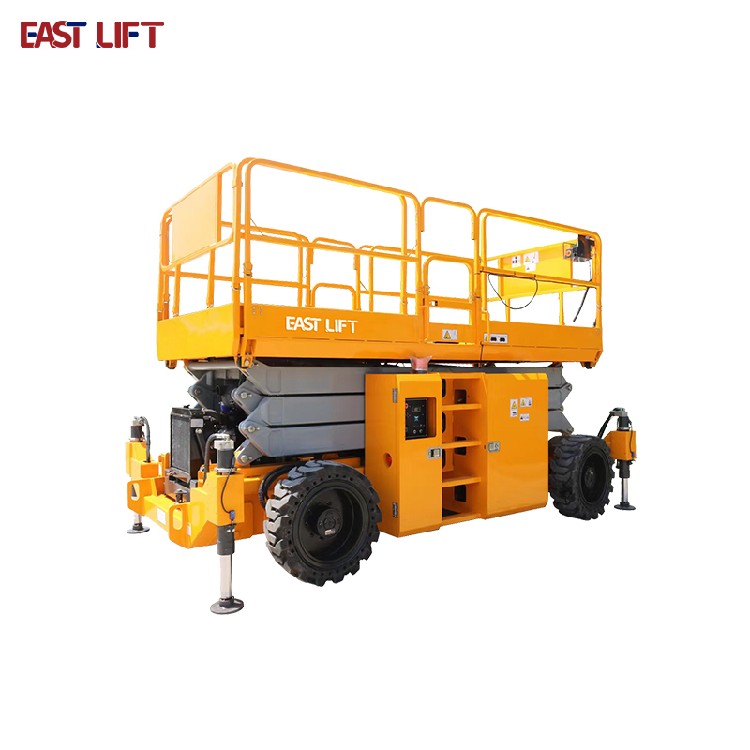
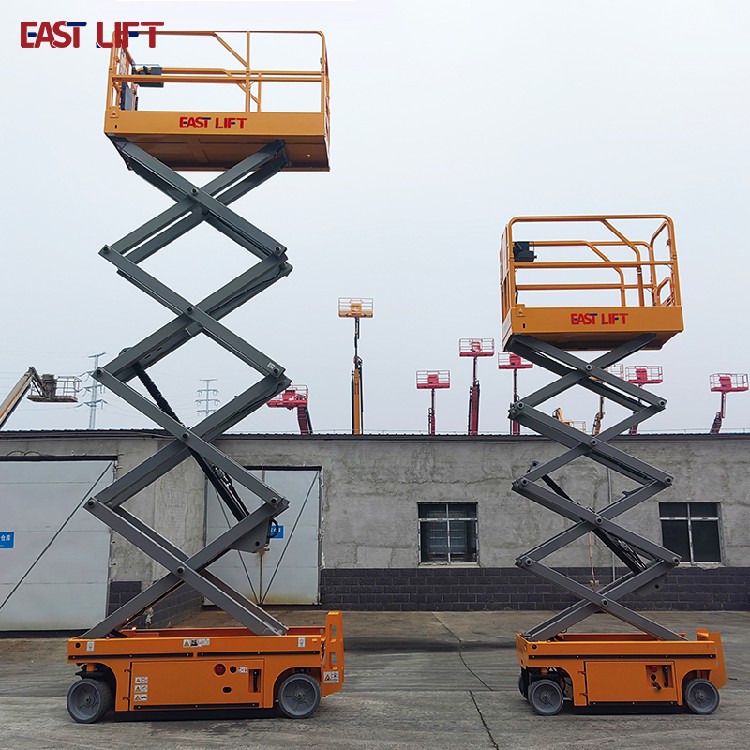
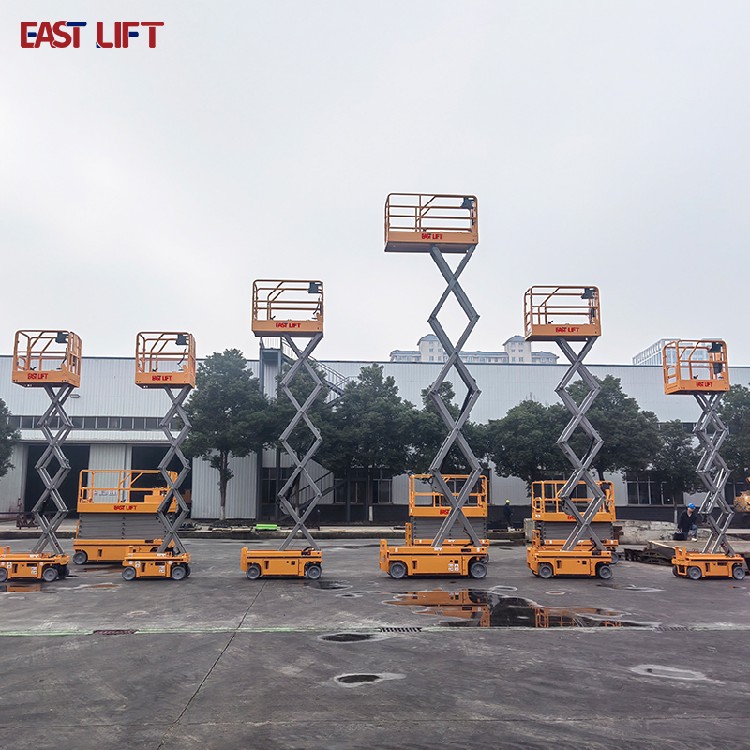
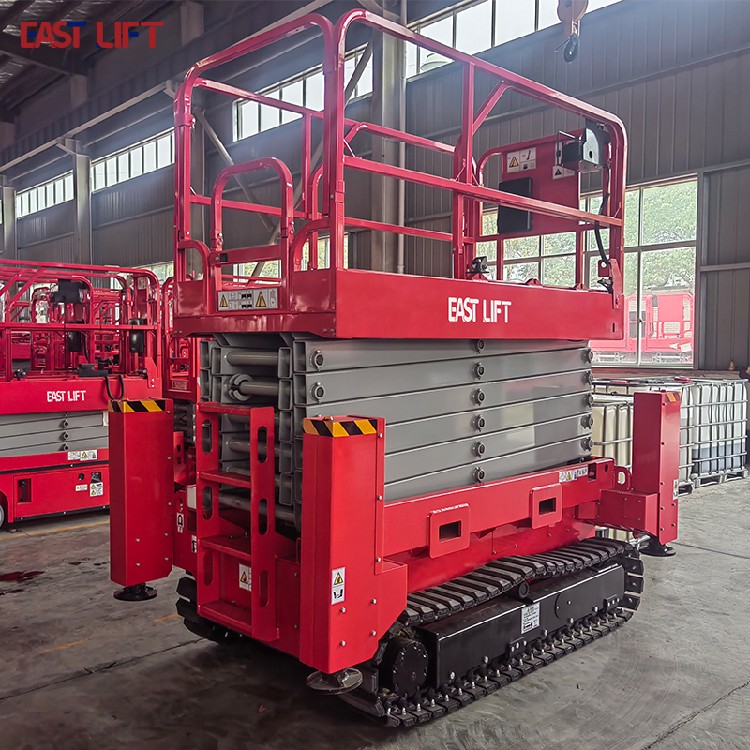
Compact and flexible, it can access narrow areas such as corridors, elevators, narrow passages, and gaps between workshop equipment where traditional scaffolding cannot operate. With a complete product range, mast-type, scissor-type, and boom-type platforms are suitable for narrow spaces, vertical heavy-duty tasks, and large-span obstacle-crossing operations respectively, applicable to both indoor/outdoor and industrial/civil scenarios.
Conclusion
Driven by stricter safety policies, rising labor costs and the promotion of construction standardization, the comprehensive replacement of traditional scaffolding by aerial work platforms has become an irreversible industry trend. The earlier enterprises complete equipment upgrading, the more they can establish core competitive advantages in safety guarantee, construction efficiency and cost control, and achieve a more standardized, efficient and sustainable high-altitude operation mode.
Recommended Products

Contact Us
Shandong Xusheng Machinery Technology Group Co., Ltd.