Welcome!



EASTLIFT
 Share
Share


Product Description
Differences Between Self-Propelled Aerial Work Platforms and Truck-Mounted Aerial Work Vehicles
Many customers are often confused about self-propelled aerial work platforms and truck-mounted aerial work vehicles when purchasing. They differ completely in appearance, application scenarios, licensing requirements, prices and usage conditions. This article comprehensively compares the differences between self-propelled and truck-mounted aerial work vehicles from aspects including licensing qualifications, body size, operating environment, working height, load capacity and usage cost.
1. Fundamental Difference in Chassis Structure
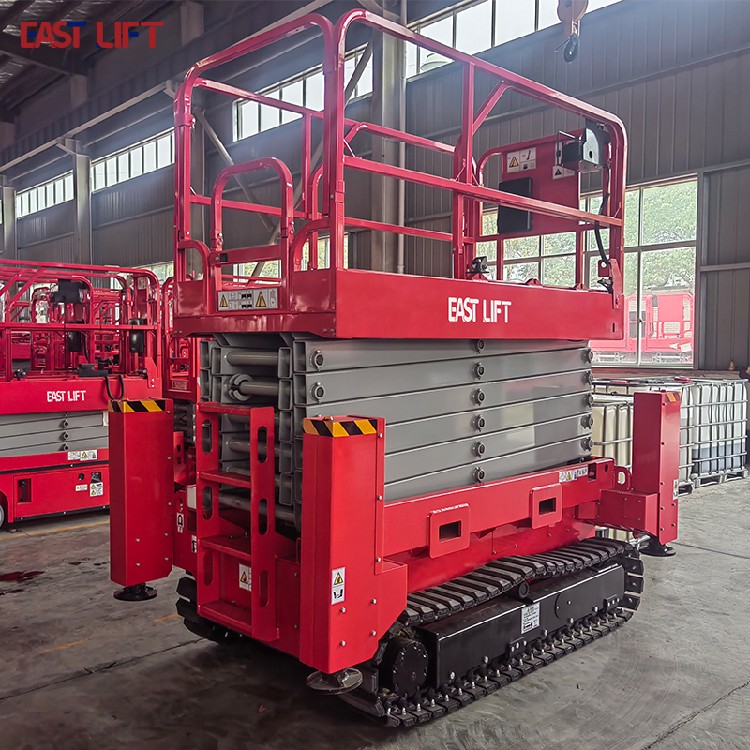
Self-propelled Aerial Work Platform (Crawler Spider Type / Articulated Self-propelled Type)
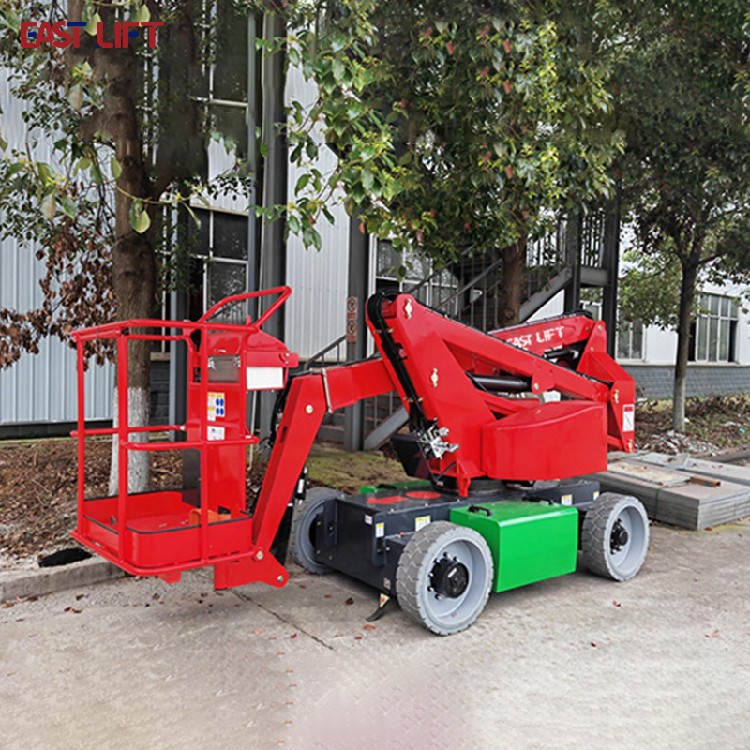
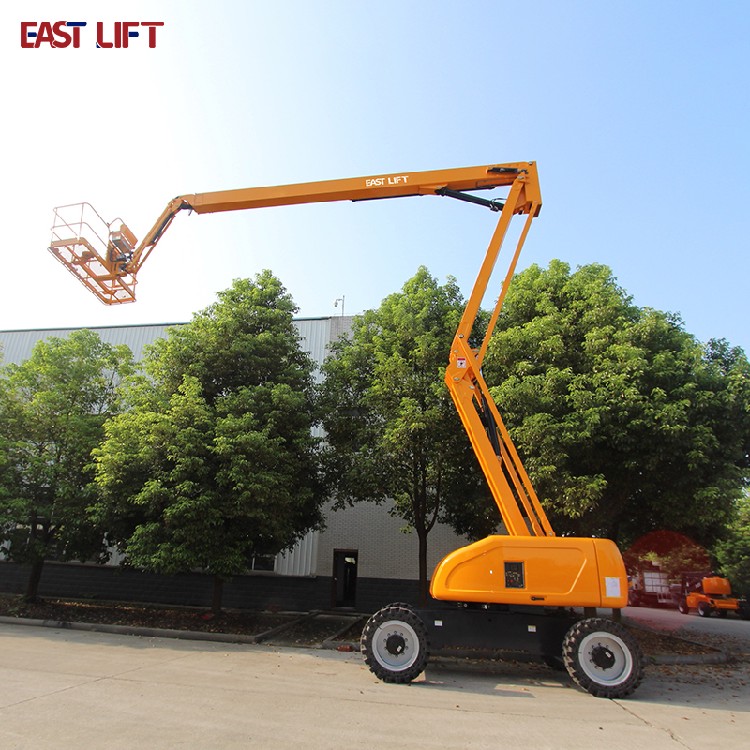
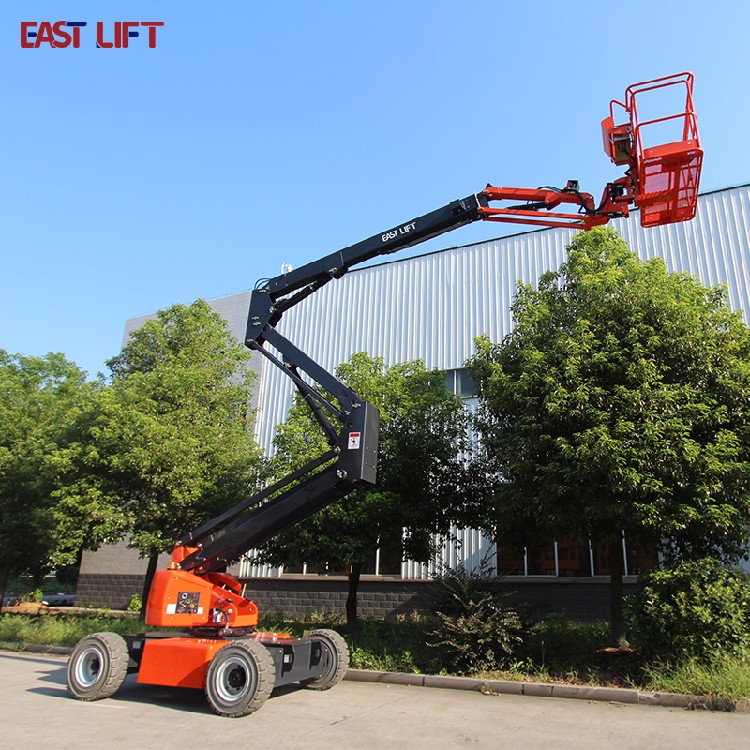
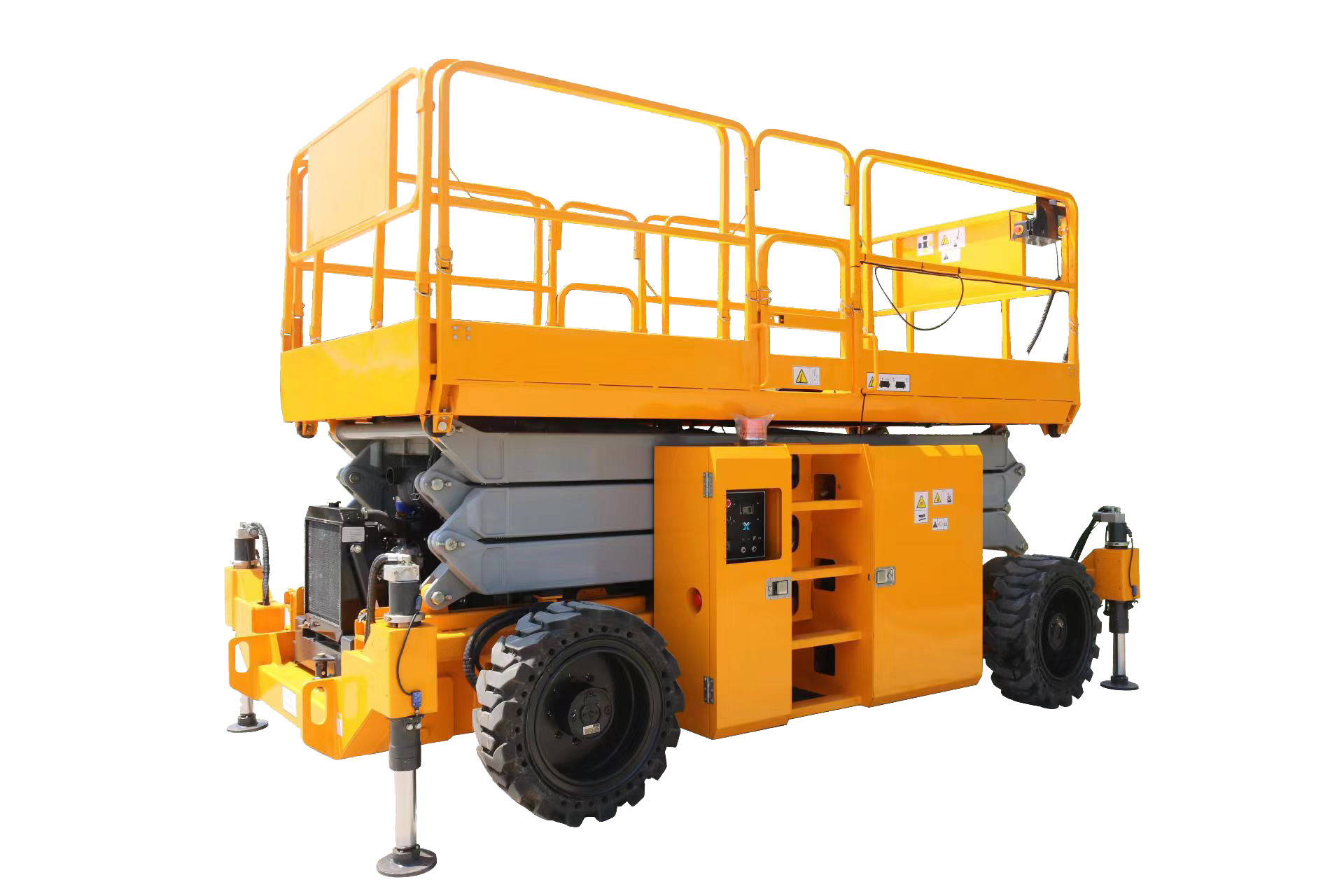
It has no automobile chassis and no truck cab. Equipped with an independent crawler/wheel walking chassis and spider outriggers, it belongs to engineering aerial work equipment rather than motor vehicles.
Representative brands: Jiubang Self-propelled, Furunkang Self-propelled, Qingdao Zhuolijia Insulated Spider Platform.
Truck-mounted Aerial Work Vehicle
Modified based on Dongfeng, Foton and Isuzu truck chassis, with cab, tires and license plates. It is a special motor vehicle, requiring driving license, license registration, annual inspection and insurance for road operation.
2. Differences in Licensing, Driving License & Road Qualifications (Most Concerned by Customers)
Self-propelled Aerial Work Platform
No blue plate or yellow plate registration, no driving license required, no operation permit and no annual inspection needed. It can be directly used in factories, construction sites and indoor areas, but is not allowed to drive on urban main roads.
Truck-mounted Aerial Work Vehicle
Mandatory license registration; blue plate for Class C driving license / yellow plate for Class B driving license. Required insurance, annual inspection and road operation qualification. It can drive on public roads and travel freely in urban areas.
3. Differences in Body Width & Passage Capacity
Self-propelled Aerial Work Platform
Retractable body with a minimum width of only 1.08m–1.1m, ultra-narrow design.
Accessible places: workshops, basements, shopping malls, elevators, substation corridors, narrow alleys and indoor epoxy floors.
Truck-mounted Aerial Work Vehicle
Body width ≥2.2m, bulky structure.
It cannot enter indoors, basements or elevators at all, and is only suitable for outdoor roads and open sites.
4. Differences in Ground Protection & Terrain Adaptability
Self-propelled type: Equipped with non-marking rubber crawlers, extremely low ground pressure. It will not damage floor tiles, lawns or epoxy floors, and can work on slopes, steps and uneven ground with automatic leveling function.
Truck-mounted type: Fitted with solid truck tires which damage lawns and ground tiles. It only works on flat hardened ground and cannot travel on slopes or muddy roads.
5. Differences in Working Height & Load Capacity
Self-propelled Aerial Work Platform
Main working height: 14–32m
Rated load: 200–460kg, suitable for indoor medium-high altitude maintenance.
Advantages: Flexible in narrow spaces, able to move slightly at height, silent electric operation.
Truck-mounted Aerial Work Vehicle
High working height range: 18–56m
Rated load: 200–400kg, with higher height and larger working radius.
Advantages: Suitable for outdoor high-rise curtain walls, street lamps, bridges and large-scale power line operations.
6. Differences in Power System
Self-propelled type: Pure electric silent zero-emission power (indoor use); diesel hybrid power (outdoor use).
Truck-mounted type: Diesel engine with high noise and exhaust emissions, only for outdoor use.
7. Differences in Relocation Method
Self-propelled type: Walks by itself at low speed, convenient for moving inside construction sites, fast outrigger retraction and deployment.
Truck-mounted type: Can drive on highways for cross-city and cross-site relocation efficiently, but complicated outrigger retraction/deployment is required before each operation.
8. Differences in Insulated Power Application
Self-propelled type: Available with fully insulated spider arms; Zhuolijia products support up to 220kV, suitable for live-line operation indoors in substations.
Truck-mounted type: Maximum insulated arm rating is 35kV, only for outdoor overhead line live maintenance, and cannot enter indoor substations.
9. Differences in Price & Cost
Self-propelled spider platform (16–23m): Moderate price, fast payback through leasing, high versatility.
Truck-mounted aerial work vehicle: High cost in chassis, license and registration; higher overall price than self-propelled platforms, with prices rising sharply as working height increases.
Recommended Products

Contact Us
Shandong East Lift Machinery Group Co., Lt d.