Welcome!


EASTLIFT
Update time:2026-05-08 13:45:31
 Share
Share


Price:$ 1 - $ 1 / unit
Min Order:1 unit
Product Description
Market Scale Influencing Factors of Aerial Work Platforms
The market scale of aerial work platforms is jointly determined by six major factors: downstream industry demand, policies and safety regulations, leasing ecosystem, technological iteration, cost and supply, and international trade. In the short term, it is driven by infrastructure construction and safety policies; in the medium term, by leasing penetration rate and electrification; in the long term, by population structure and global industrial capacity transfer.
1. Downstream Industry Demand (Core Driver)
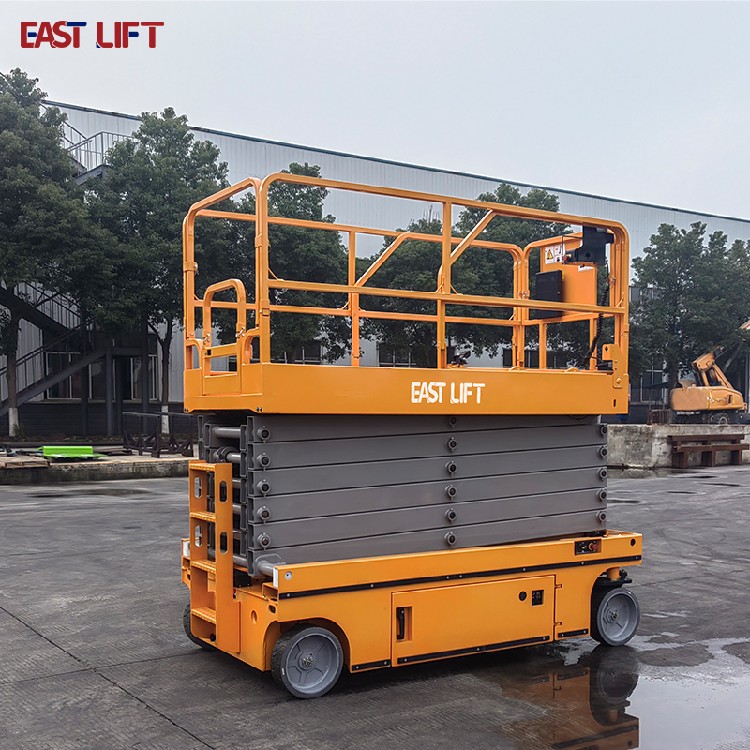
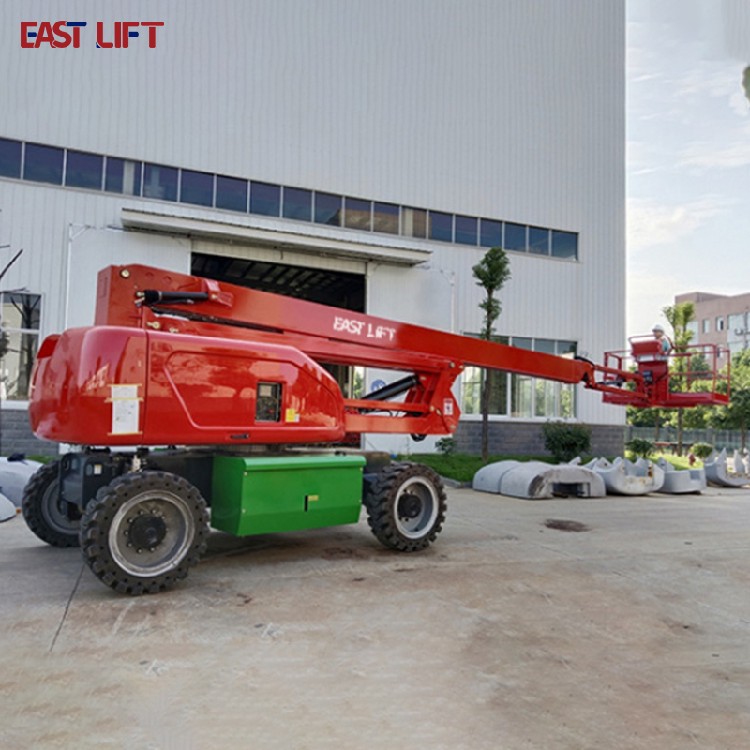
- Construction & Infrastructure: Urbanization, high-rise buildings, commercial real estate, and investment in bridges, airports and rail transit directly drive the demand for boom lifts and scissor lifts.
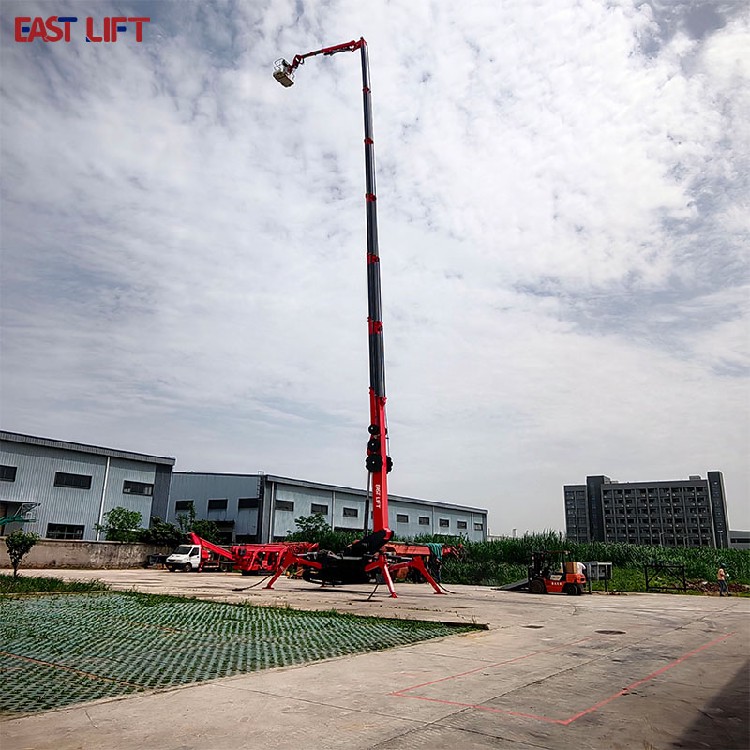
- New Energy: Wind power installation and maintenance, photovoltaic power stations and energy storage projects represent high-growth scenarios, with strong preference for boom lifts and spider lifts.
- Industry & Logistics: Construction and maintenance of large factory buildings, e-commerce warehouses, port and airport equipment maintenance fuel the popularization of scissor lifts.
- Municipal Maintenance: Urban pipe networks, street lamps and monitoring facilities, building facade renovation, and exhibition venue construction generate stable and fragmented market demand.
- Substitution Effect: Rising labor costs and stricter accountability for safety accidents accelerate the replacement of scaffolding and rope descending operations with mechanized aerial work equipment.
2. Policies and Safety Regulations (Strong Constraint & Stimulus)
- Mandatory Safety Requirements: The Work Safety Law of the People's Republic of China and local regulations raise the access threshold for aerial work, mandating the use of compliant equipment and phasing out backward operation methods.
- Environmental & Emission Standards: EU CE (EN280), North American ANSI standards, and domestic emission standards for off-road machinery accelerate the replacement with electrified and low-emission models.
- Infrastructure Investment: National development plans such as the 14th and 15th Five-Year Plans, new urbanization strategies and transportation development policies determine project commencement rates and equipment demand intensity.
3. Leasing Ecosystem (Key to Business Model)
- Penetration Rate: China's aerial work equipment leasing penetration rate stood at approximately 65% in 2024, while that of North America exceeded 80%. A higher penetration rate fuels faster market expansion and higher equipment turnover.
- Lessor Concentration: Leading leasing enterprises (e.g., Hongxin Construction Development, United Rentals) conduct large-scale procurement and nationwide layout, lowering the usage threshold for small and medium-sized customers.
- Rent and Return on Investment: Rental rates, equipment utilization rates and residual value determine lessors’ willingness to expand procurement. Rising rents drive new equipment purchases and further expand market scale.
- Inventory Saturation: China’s domestic inventory of aerial work platforms exceeded 350,000 units in 2024. Oversupply leads to falling rents and slower growth in new equipment demand.
4. Technological Iteration & Product Structure (Value Enhancement)
- Electrification: Lithium batteries replace fuel power with lower energy consumption, low noise and zero emissions, making electric models the preferred choice for urban projects, with the industry electrification rate exceeding 55%.
- Intelligent Upgrade: Remote monitoring, fault diagnosis, anti-tipping and automatic leveling technologies improve operational safety and efficiency, and boost product premium capability.
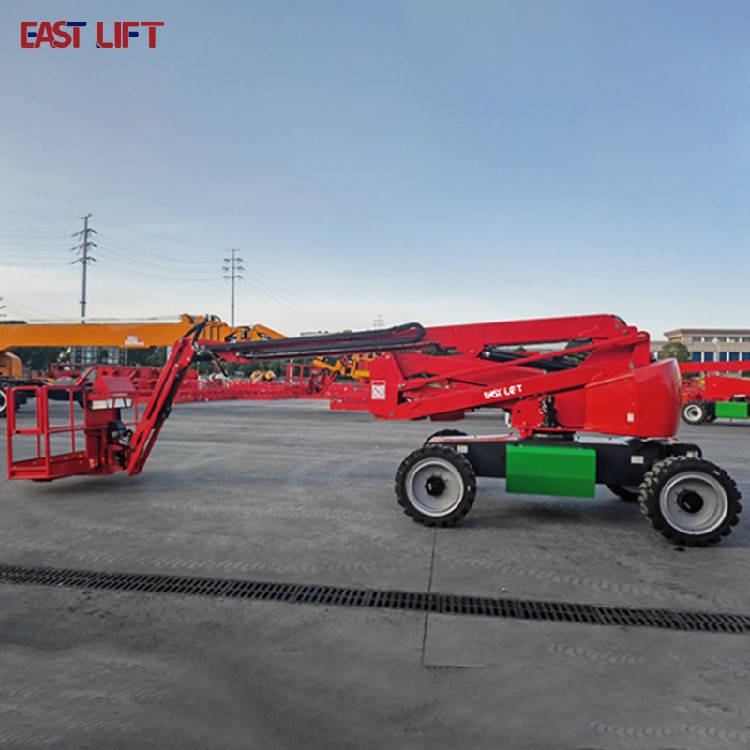
- Lightweight & Specialized Design: Spider lifts, articulated boom lifts and off-road models adapt to narrow and complex working conditions, expanding application scenarios and unlocking incremental market potential.
- Localization of Core Components: Rising localization rates of hydraulic and electronic control components reduce overall equipment costs by 10%–15% and enhance price competitiveness.
5. Cost and Supply Side (Key to Short-term Market Fluctuation)
- Raw Material Prices: Price fluctuations of steel, aluminum and lithium batteries directly affect manufacturing costs and terminal selling prices.
- Production Capacity & Market Competition: The growing number of domestic manufacturers and continuous capacity expansion trigger price wars that compress profit margins and drive export-oriented sales.
- Labor Costs: Rising wages for equipment operators and maintenance personnel promote equipment automation and reduce reliance on manual labor.
- Financing Environment: Interest rates and credit policies affect the financing costs of lessors and manufacturers for capacity expansion. Loose monetary and credit policies accelerate capacity expansion and market growth.
6. International Trade & Geopolitics (Global Market Variable)
- Export Markets: China is the world’s largest exporter of aerial work platforms, with Europe, America, Southeast Asia and the Middle East as core target markets; exports account for over 30% of total industry sales.
- Trade Barriers: Anti-dumping and countervailing duties in the US, as well as EU CE certification (12–18 months certification cycle, costing 15%–20% of product price) raise export thresholds and force industrial capacity relocation overseas.
- Exchange Rate Fluctuations: RMB exchange rate movements against the US dollar and euro affect the price competitiveness and profit margins of export enterprises.
Recommended Products

Contact Us
Shandong East Lift Machinery Group Co., Lt d.