Welcome!


EASTLIFT
Update time:2026-05-14 14:06:37
 Share
Share


Price:$ 5 - $ 5 / unit
Min Order:1 unit
Product Description
Is There Room for Future Growth in the Penetration Rate of China’s Aerial Work Platform (AWP) Rental Market?
I. Current Penetration Level
The rental penetration rate of aerial work platforms in China stands at 70%–78% (mainstream statistics), exceeding 80% in developed regions.
In mature European and American markets, the rate is 85%–90%.
In terms of per‑capita equipment ownership, China has approximately 4.1 units per 10,000 people, compared with 25.6 units per 10,000 people in the United States, representing a huge gap.
In short, while the rental model is widely adopted, there remains substantial untapped potential in scaffolding replacement, boom‑type machine penetration, and market expansion into lower‑tier regions.
II. Four Core Drivers for Further Penetration Growth
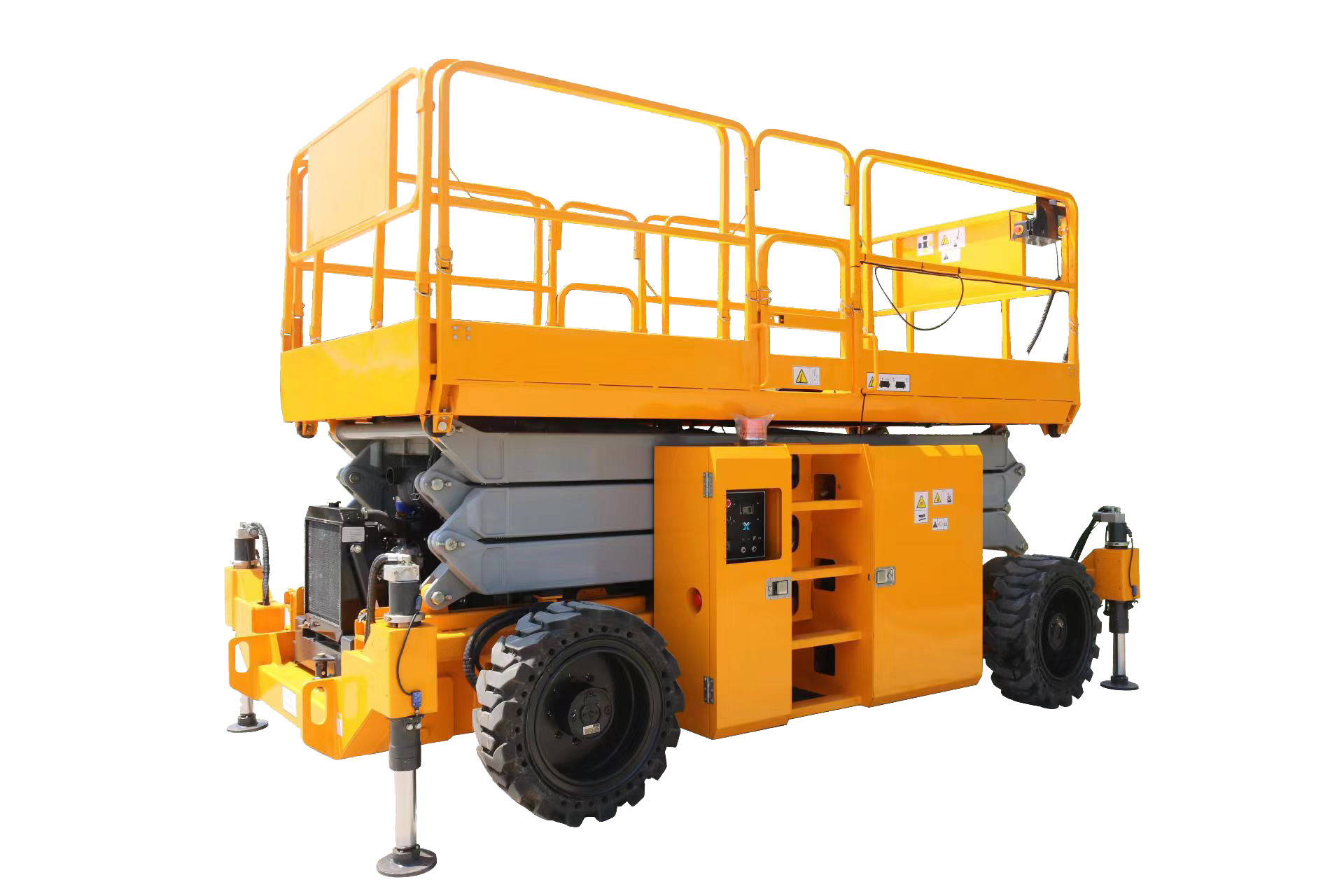
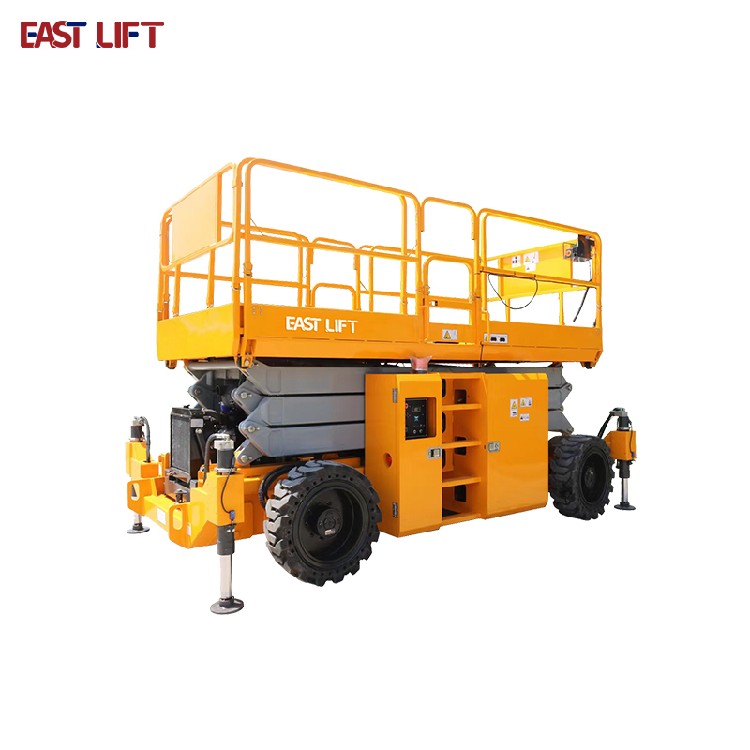
- Mandatory scaffolding replacement driven by safety policies (the strongest catalyst)Regulatory authorities including the Ministry of Housing and Urban‑Rural Development and the Ministry of Emergency Management have continuously tightened safety standards for high‑altitude operations. Unprotected scaffolding and step ladders are prohibited for work above 2 meters on construction sites, in factories and municipal projects. Traditional scaffolding faces surging labor costs and high compliance risks, making the rental model increasingly cost‑effective.
- Expanding application scenarios beyond constructionDemand was previously concentrated in residential construction. New high‑growth sectors include:
- New energy: photovoltaic power plants, wind farms and energy storage stations
- Industrial sectors: factory maintenance, warehousing & logistics, automotive and electronics plants
- Urban renewal: municipal engineering, bridge projects, utility tunnels, urban renovation, commercial plazas and stadiums
- Penetration in non‑construction sectors is far lower than in construction, forming the largest source of incremental demand.
- Huge room for market penetration in inland and lower‑tier regionsPenetration rates in East and South China are close to European and American levels, while central/western China, county‑level cities and infrastructure projects in third‑ and fourth‑tier cities show extremely low penetration, which will drive sustained demand growth in the future.
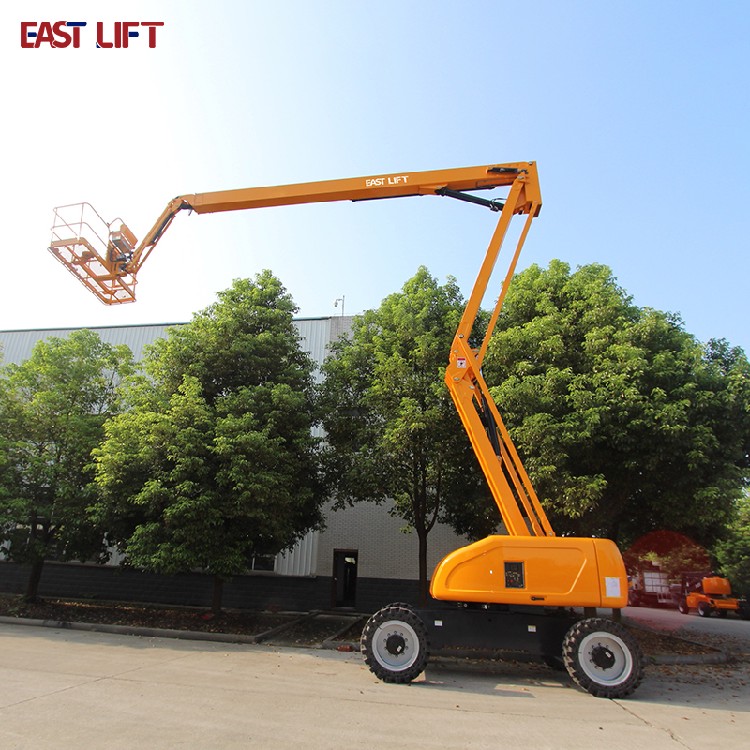
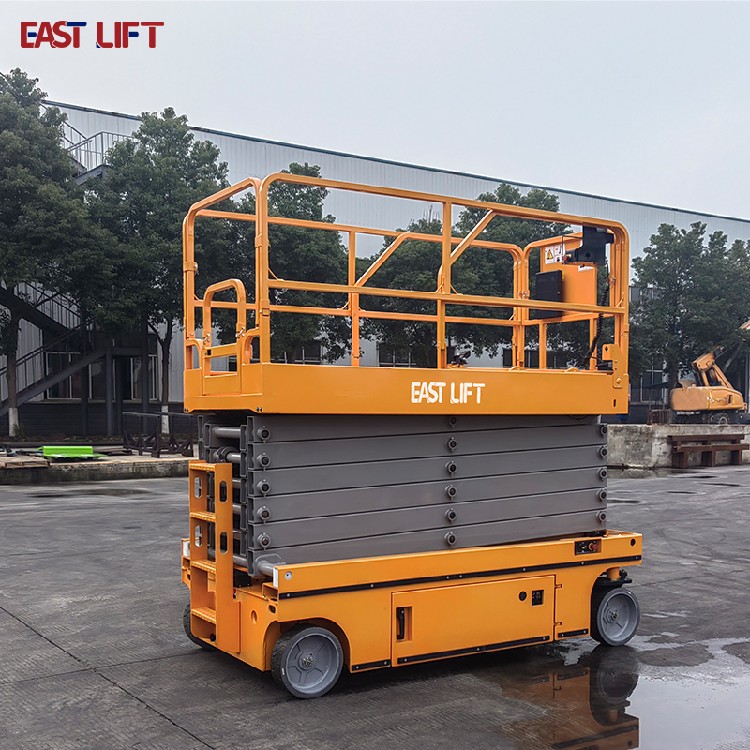
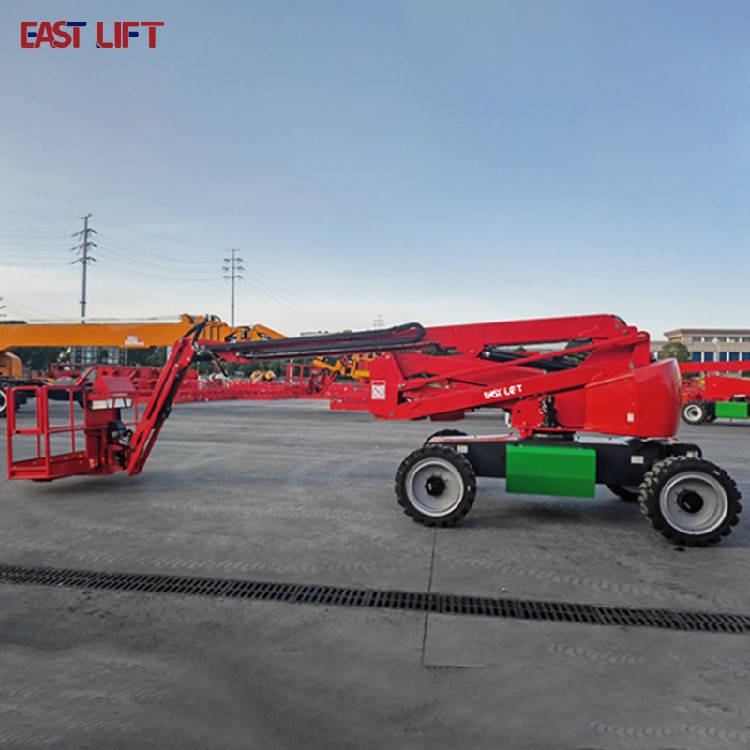
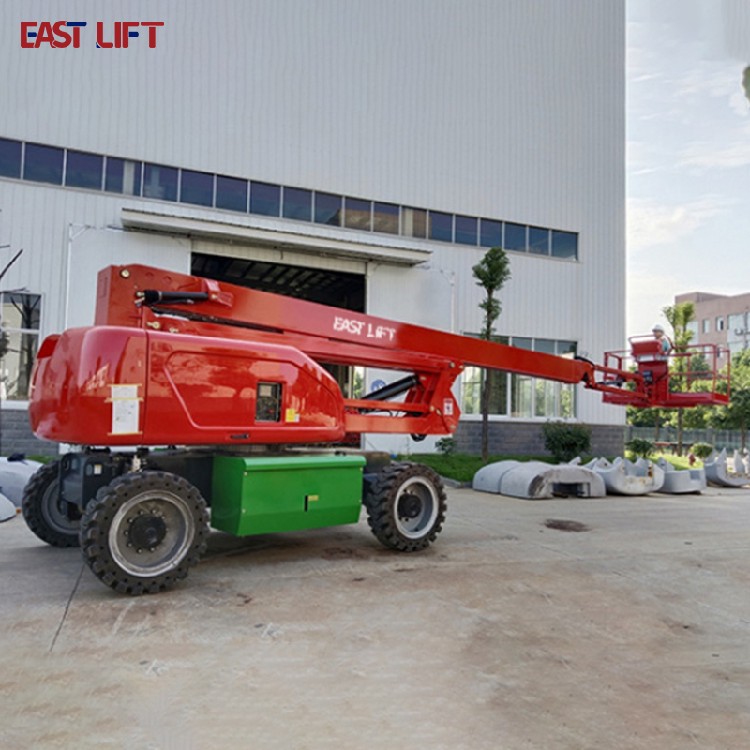
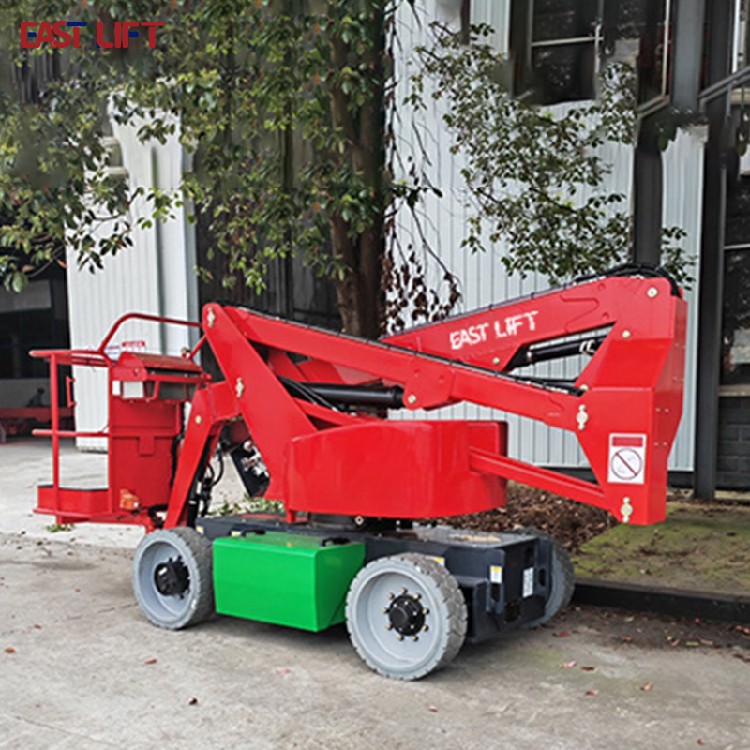
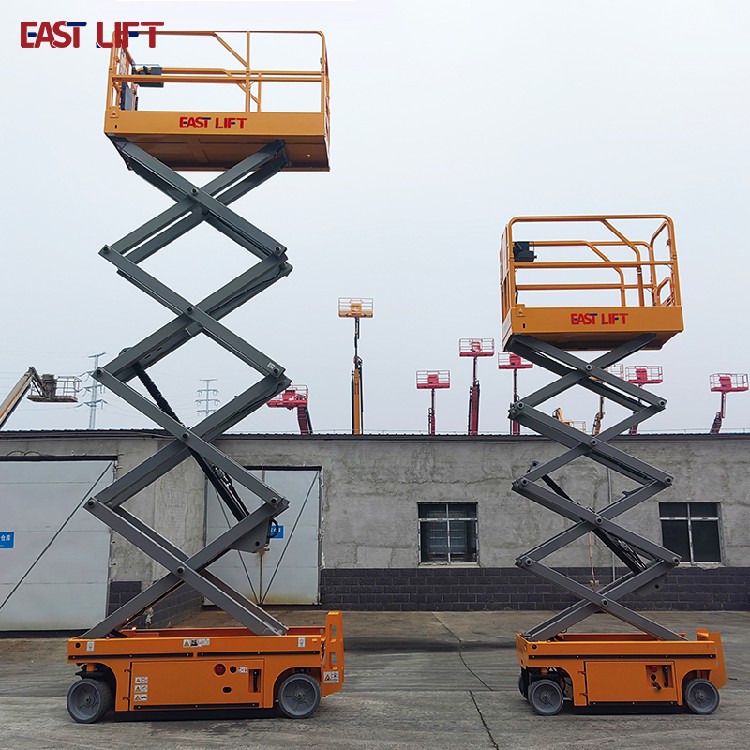
- Far lower rental penetration of boom‑type AWPs than scissor‑liftsThe scissor‑lift rental market is nearly saturated in China, yet the penetration rate of boom‑type, spider‑type and high‑reach models is only 40%–50%, holding the greatest upside potential.
III. Phased Growth Outlook (Critical Analysis)
- Short‑term (1–3 years, 2026–2028): Limited penetration growth of 0–5%The industry currently faces excess inventory, fierce rental price competition and declining utilization rates. Market consolidation will dominate with modest penetration growth and downward pressure on rental prices.
- Medium‑term (3–5 years): 10%–15% penetration growthPenetration will rise steadily driven by mass replacement of aging equipment, stricter safety supervision, and booming demand from new energy and industrial sectors.
- Long‑term (5–10 years): 20%–30% penetration growthBenchmarking the 85%–90% penetration level in Europe and the U.S., coupled with catch‑up growth in per‑capita ownership, the overall rental penetration rate is expected to reach over 85% in the long run.
IV. Risks Restricting Penetration Growth
- Poor cash flow and slow payment collection at construction sites with budget cuts by clients
- Intense price competition caused by a large number of small‑ and medium‑sized rental operators, keeping rental prices stagnant
- Inadequate delivery, maintenance and scheduling networks in county‑level markets
Recommended Products

Contact Us
Shandong East Lift Machinery Group Co., Lt d.