Welcome!


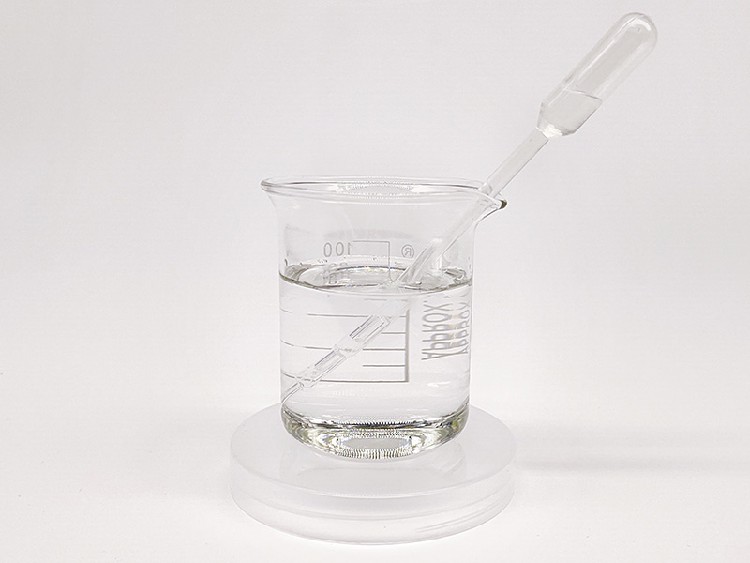
Polyethylene glycol 400
 Share
Share


Product Description
I. Product Introduction
Polyethylene glycol 400 has a wide range of applications in the coatings industry. With its excellent water solubility and compatibility, it can be used as a pigment dispersant to effectively prevent pigment aggregation and improve the stability of the coating system. It can also adjust coating viscosity and optimize application leveling. Furthermore, it can participate in the resin curing reaction, enhancing coating flexibility and adhesion, and improving the coating's low-temperature freeze resistance, ensuring high-quality application even at low temperatures.
II. Basic Introduction
Chinese name: Polyethylene glycol 400
Chemical name: Polyethylene glycol
INCI name: Polyethylene Glycol
CAS Registry Number: 25322-68-3
EINECS login ID: 500-038-2
HS Code: 3907210000
Molecular formula: (C₂H₄O)ₙ
Molecular weight: 400
Synonyms: Polyethylene oxide,Macrogol,Carbowax,Carbowax Sentry,Lipoxol, Lutrol E,Macrogola, PEG, Pluriol E, polyoxyethylene glycol, PEG400,Macrogol 400
III. Application Areas
1. Food Industry: Commonly used as an emulsifier, thickener, anti-crystallization agent, stabilizer, and humectant, it can improve the viscosity and structural stability of food systems, and enhance taste, texture, and appearance. In baked goods, it helps prevent ice crystal formation and extend shelf life; in sauces, condiments, and gravy, it can enhance rheology and inhibit microbial growth.
2. Beverage industry: It can be used as an antifoaming agent to effectively control foam generation during the production of beer and soft drinks, thereby improving production efficiency and product uniformity.
3. Manufacturing: As a coolant and antifreeze, it can lower the freezing point of liquids and prevent the cooling system from freezing. It is widely used in automobiles, industrial equipment and air conditioning systems to ensure the fluidity of liquids and the stability of systems under low temperature conditions. In the fields of lubricating oil, coatings, paints, pulp, textiles, etc., it can be used as an additive, diluent or surface treatment agent.
4. Pharmaceutical manufacturing: It can be used as a solvent, diluent and delivery carrier, and is used for the dissolution, dispersion and stabilization of active ingredients in formulation development and medical product manufacturing.
5. Daily chemical industry: As a wetting agent and viscosity modifier, it is used in creams, lotions, toothpaste, shaving cream and cleaning products. It can also be used in leave-in hair care products to improve product flow and give hair a silky shine.
IV. Packaging Method
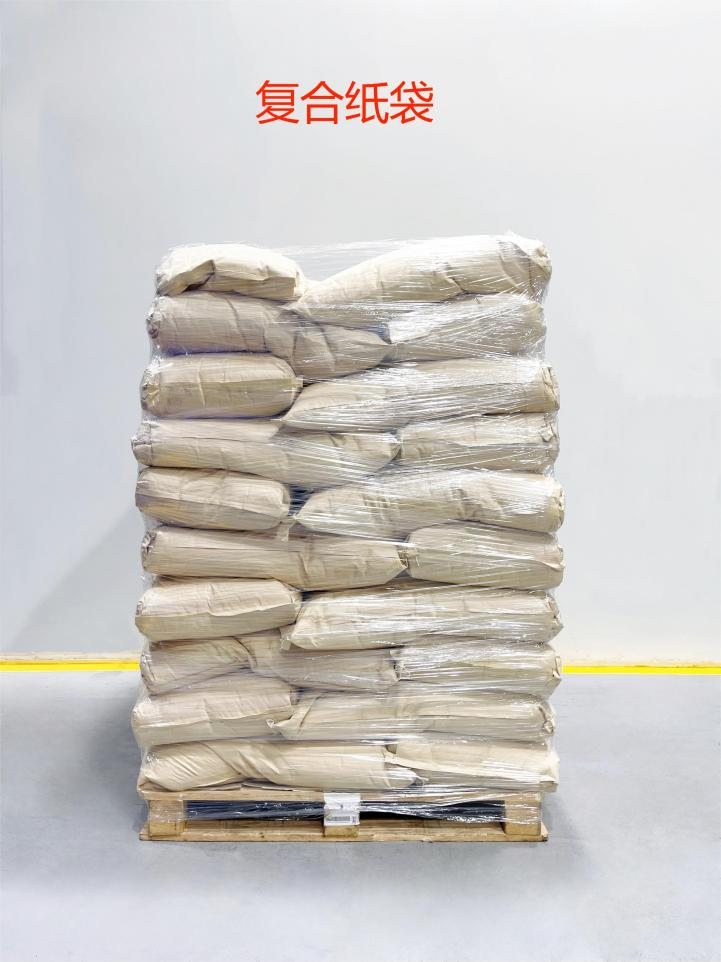
tonnes, leather drums, tank trucks, and kraft paper bags
V. Stability and Storage Conditions
Store in a tightly closed container (such as glass, plastic, aluminum, or stainless steel) in a cool, dry place, avoiding direct sunlight. Polyethylene glycol is a flammable liquid; therefore, fire safety regulations should be followed during storage and handling, keeping it away from open flames, heat sources, and oxidizers.
VI. Product Compliance
Indicator range: GB 1886.302
Sensory characteristics: Colorless and transparent liquid
Average molecular weight: 380-420
pH value (5%): 4.5-7.5
Residue on ignition (%): ≤0.2
Lead (ppm): ≤1.0
Arsenic (ppm): ≤1.0
Ethylene oxide (ppm): ≤200
Dioxane (ppm): ≤10
Ethylene glycol + diethylene glycol content (%): ≤0.25
Acid value (%): ≤0.05
Specification range: HG/T 4134
Sensory characteristics: Colorless and transparent liquid
Average molecular weight: 380-420
pH value (5%): 5.0-7.0
Moisture (%): ≤0.3
Hazen: ≤30
Hydroxyl value (mgKOH/g): 267.0-295.0
Indicator range: USP
Average molecular weight: 380-420
pH value (5%): 4.5-7.5
Residue on ignition (%): ≤0.1
Heavy metals (ppm): ≤5.0
Ethylene oxide (ppm): ≤10
Dioxane (ppm): ≤10
Ethylene glycol + diethylene glycol content (%): ≤0.25
Kinematic viscosity: 6.8-8.0 (100℃)
Specification range: GB/T 22114
Sensory characteristics: Colorless and transparent liquid
Average molecular weight: 400
pH value (5%): 4.0-7.5
Residue on ignition (%): ≤0.1
Formaldehyde (ppm): ≤30
Arsenic (ppm): ≤2.0
Heavy metals (ppm): ≤5.0
Ethylene oxide (ppm): ≤1
Dioxane (ppm): ≤10
Kinematic viscosity: 6.8-8.0 (100℃)
Indicator range: BP
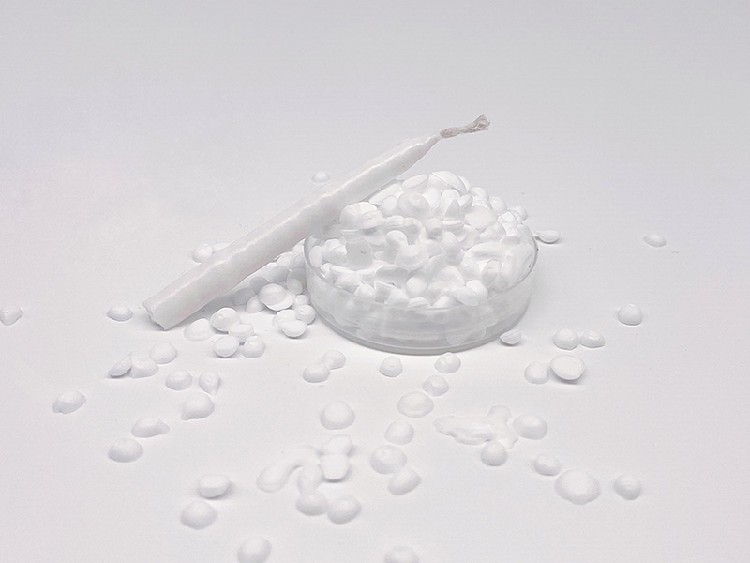
Sensory characteristics: White waxy solid
Average molecular weight: 400
Moisture (%): ≤1.0
Residue on ignition (%): ≤0.2
Formaldehyde (ppm): ≤30
Ethylene oxide (ppm): ≤1
Dioxane (ppm): ≤10
Acid value (%): ≤0.1mL NaOH
Reducing substances: through experiments
Ethylene glycol + diethylene glycol content (%): ≤0.4
Density: 1.120
Hydroxyl value (mgKOH/g): 264-300
Indicator range: CP
Average molecular weight: 380-420
pH value (5%): 4.0-7.0
Moisture (%): ≤1.0
Residue on ignition (%): ≤0.1
Formaldehyde (ppm): ≤30
Arsenic (ppm): ≤3.0
Heavy metals (ppm): ≤5.0
Ethylene oxide (ppm): ≤1
Dioxane (ppm): ≤10
Specific gravity: 1.110-1.140
Pour point (°C): 4-8
Recommended Products
 Polyamino Polyether Methylene Phosphonic Acid(PAPEMP)$1 - $1 / ton1 ton(Min.Order)Contact Supplier
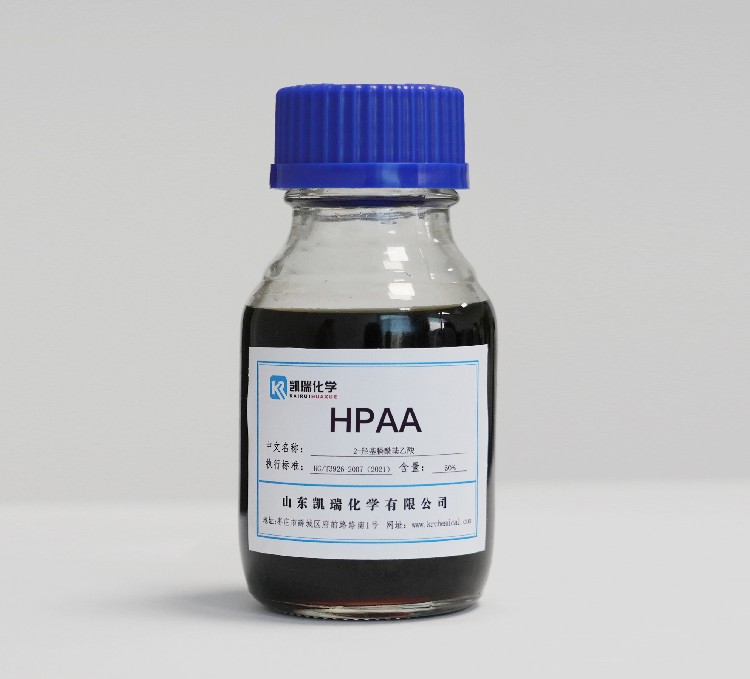 2-Hydroxy Phosphonoacetic Acid (HPAA) 23783-26-8¥1 - ¥1 / ton1 ton(Min.Order)Contact Supplier
 Ethylene Diamine Tetra (Methylene Phosphonic Acid) EDTMPA (Solid)$1 - $1 / unit1 unit(Min.Order)Contact Supplier
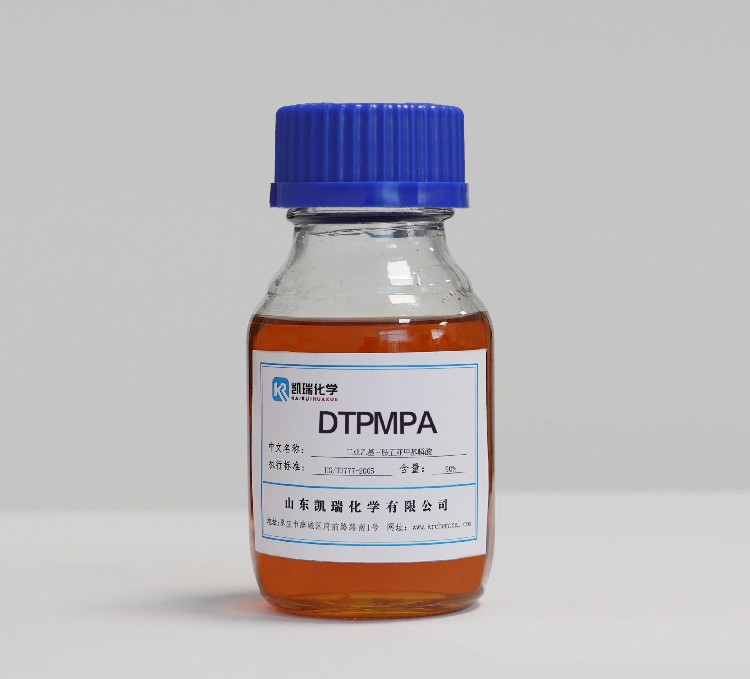 Diethylene Triamine Penta (Methylene Phosphonic Acid) (DTPMPA)$5 - $5 / bag1 bag(Min.Order)Contact Supplier
Recently Viewed
Contact Us
Suzhou Cornigs Bioproducts Co., Ltd.