Welcome!


Changchun Sairuioptics Technology Co., Lt
Main products: Technical services , technical development,technical exchange, technology transfer,technology promotion,Manufacturing of optical instruments,manufacturing of optical glass,manufacturing of optoelectronic devices,sales of optical instruments sales of optical glas,sales of optoelectronic devices,manufacturing of special instruments,laser marking processing,sales of laboratory analytical instruments;, manufacturing of laboratory analytical instrument,glass manufacturing,processing of mechanical parts and components,sales of mechanical parts and components;,manufacturing of general components,manufacturing of electronic components,wholesale of electronic components,retail of electronic components
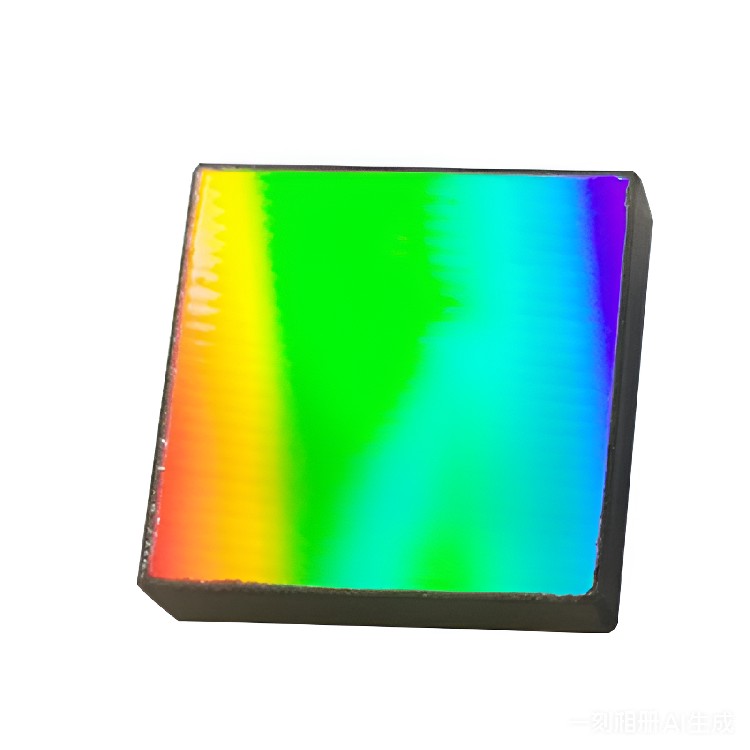
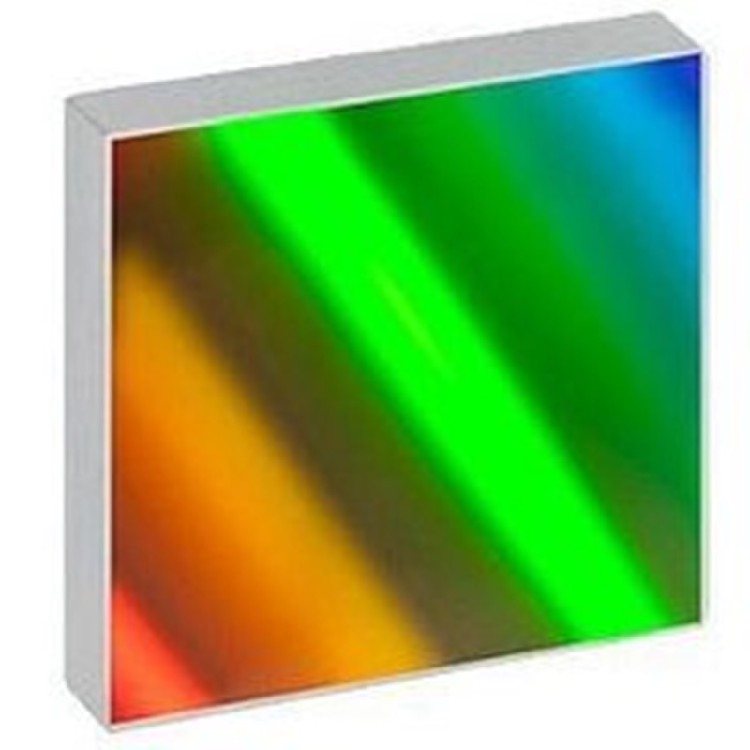
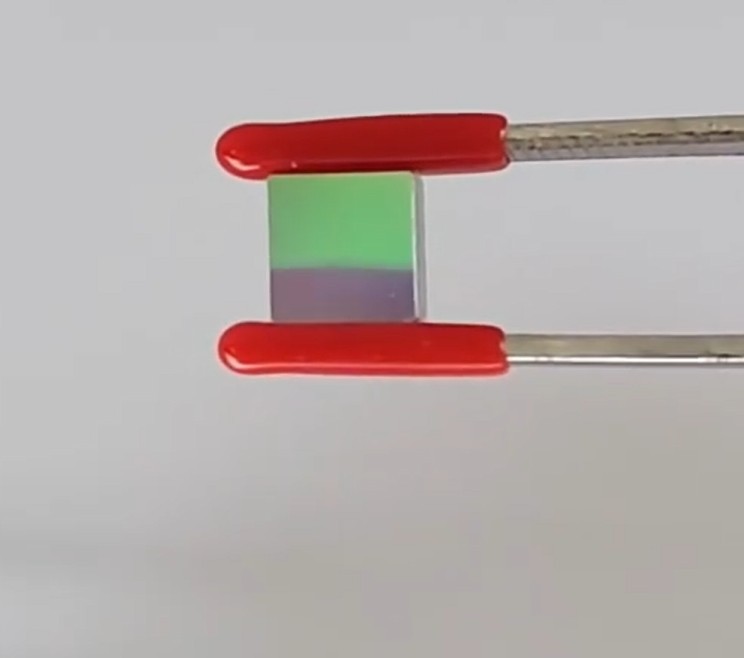
Transmission Grating 1200 Grooves, 12.7x12.7mm Groove Angle Grating
 Share
Share


Basic Info
| Clear Aperture | 90% | Dimension Tolerance | ±0.5 mm | Material | N-BK7(K9) |
|---|---|---|---|---|---|
| Surface Quality | 60/40 | Thickness Tolerance | ±0.5 mm | ||
Product Description
Product Description
Transmission Gratings are designed to disperse incident light at specific angles. Angular dispersion is a function of angle of incidence and groove spacing. Dispersion increases as angle of incidence increases or as groove spacing decreases. Coarse groove spacing maintains high efficiency while fine groove spacing reduces transmission at long wavelengths resulting in low efficiency.
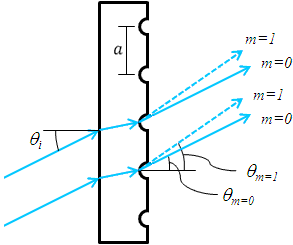
- Transmission Gratings offer low polarization sensitivity as opposed to reflection gratings because incident light is not reflected by a mirror coating such as aluminum. Since light is transmitted through the grating, transmission gratings can be used in compact, in-line configurations. They are ideal for use in monochromators and spectrometers.
Transmission Gratings are manufactured in the same way as ruled reflection gratings in which a replica of a master grating is created by duplicating its grooved surface with a thin, vacuum deposition-coated layer, except they have no reflective overcoat.
Transmission Grating Geometry
Light incident on a transmission grating is often normal to the back surface of the grating (α = 0; see Fig. 1), in which case the familiar grating equation reduces to
mλ = d sinβ
Here m is the (integral) diffraction order (usually |m| = 2), λ is the wavelength, d the groove spacing and β the angle of diffraction (measured from the normal).
If you don't find anything above that fits your application, submit a quote request to get a quote based on your requirements.If you need information on products of more other specifications and models, please contact us.
Recommended Products
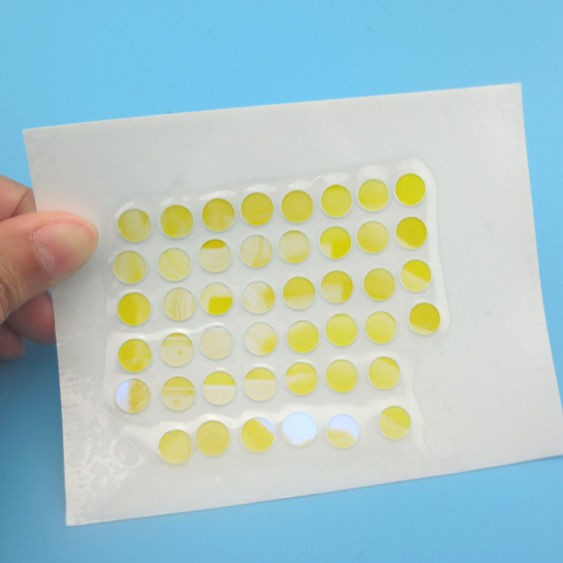 Optical 430nm 480nm 530nm 560nm Longpass Filter for IPL Beauty Machine$60 - $60 / unit10 unit(Min.Order)Contact Supplier
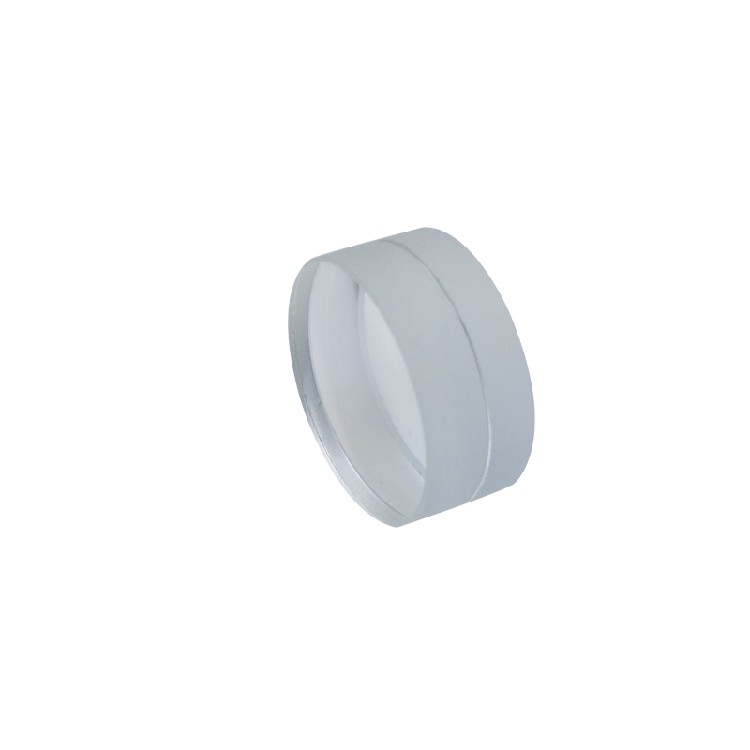 Factory Supply Optical Telescope Lens Doublet Achromatic Lens Objective Lens AR 400-800nm$7 - $7 / unit10 unit(Min.Order)Contact Supplier
- Custom Made Optical Glass Achromatic Lens$7.5 - $7.5 / unit5 unit(Min.Order)Contact Supplier
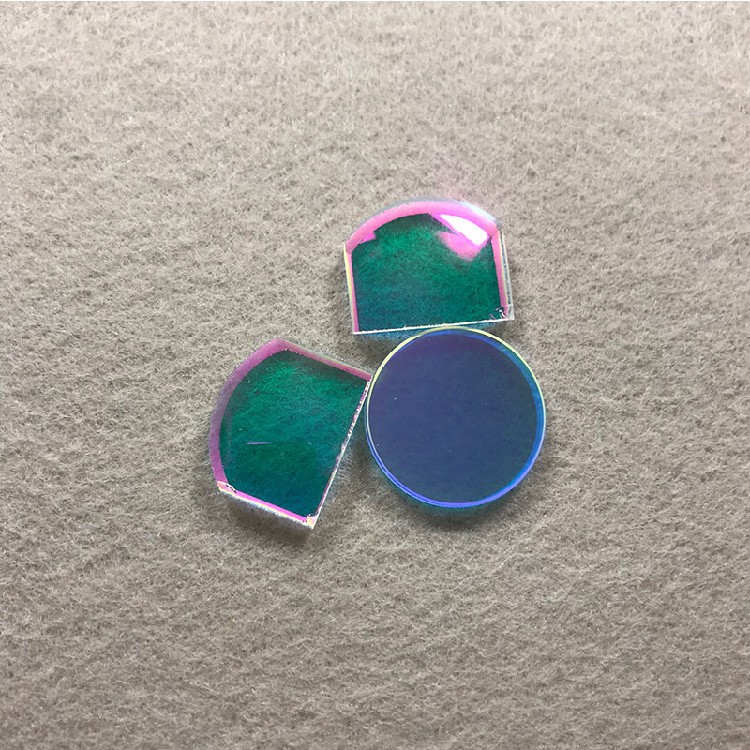 Glass Material Filter 480nm Narrowband Filter$15 - $15 / unit5 unit(Min.Order)Contact Supplier
Recently Viewed
Contact Us
Changchun Sairuioptics Technology Co., Lt