Welcome!


Changchun Sairuioptics Technology Co., Lt
Main products: Technical services , technical development,technical exchange, technology transfer,technology promotion,Manufacturing of optical instruments,manufacturing of optical glass,manufacturing of optoelectronic devices,sales of optical instruments sales of optical glas,sales of optoelectronic devices,manufacturing of special instruments,laser marking processing,sales of laboratory analytical instruments;, manufacturing of laboratory analytical instrument,glass manufacturing,processing of mechanical parts and components,sales of mechanical parts and components;,manufacturing of general components,manufacturing of electronic components,wholesale of electronic components,retail of electronic components
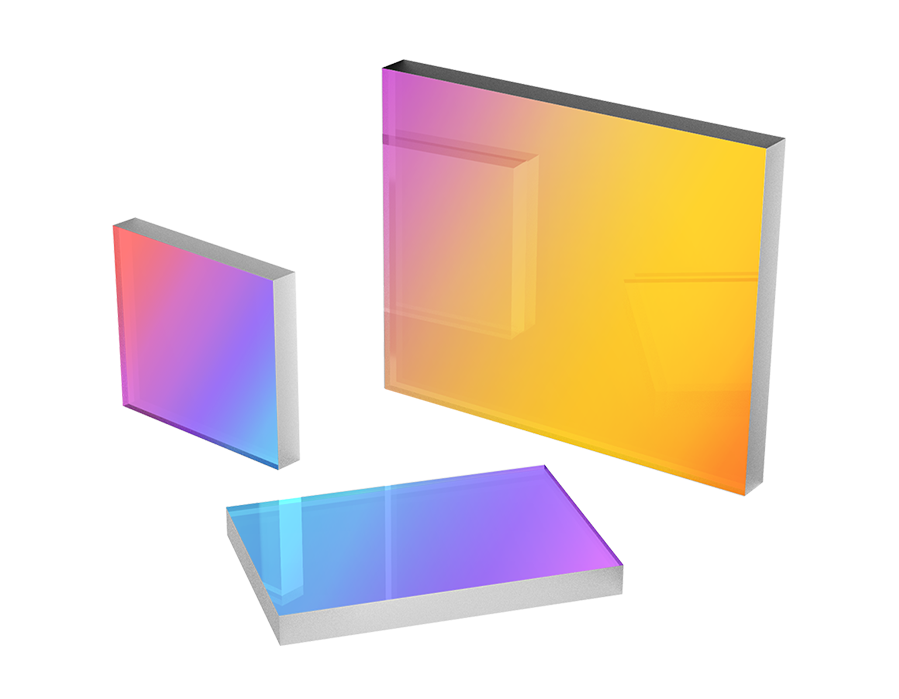
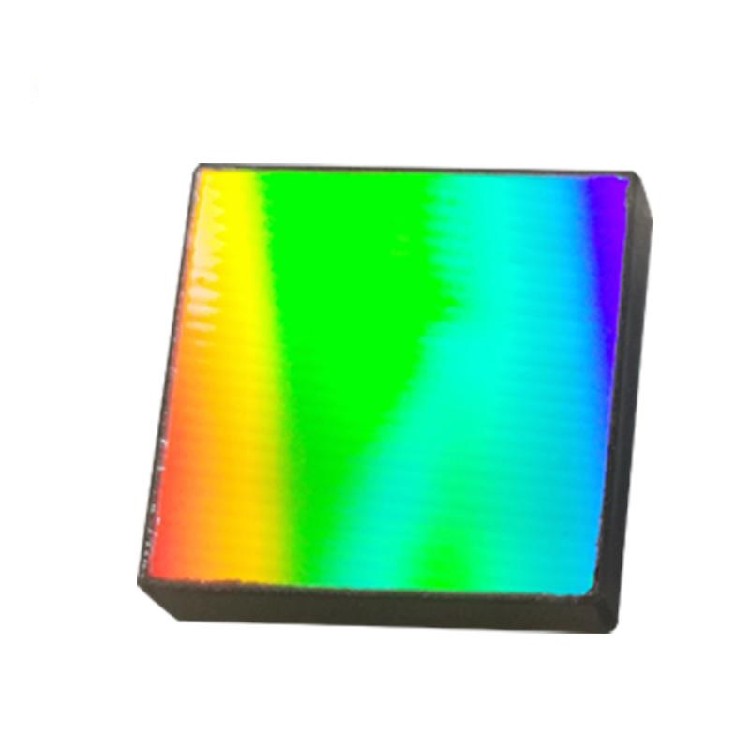
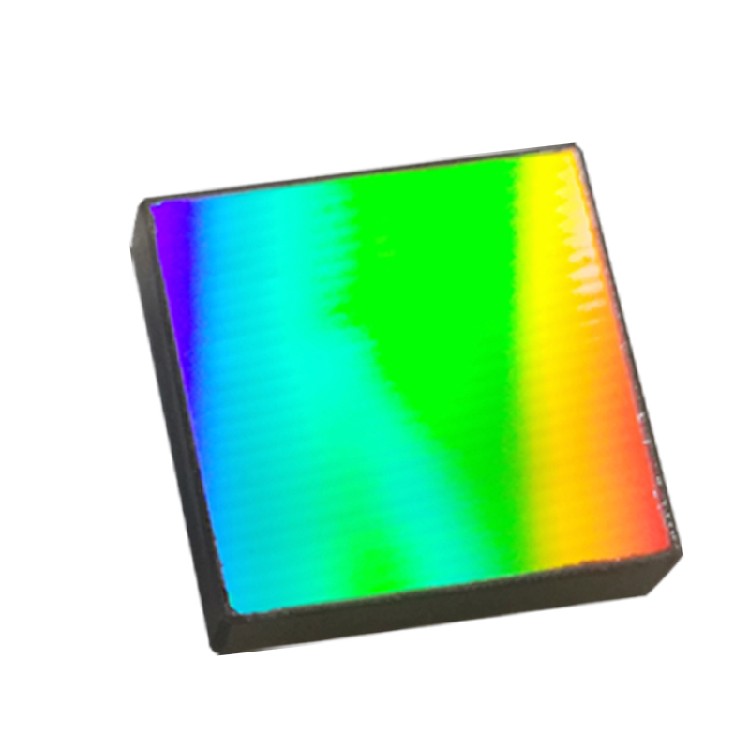
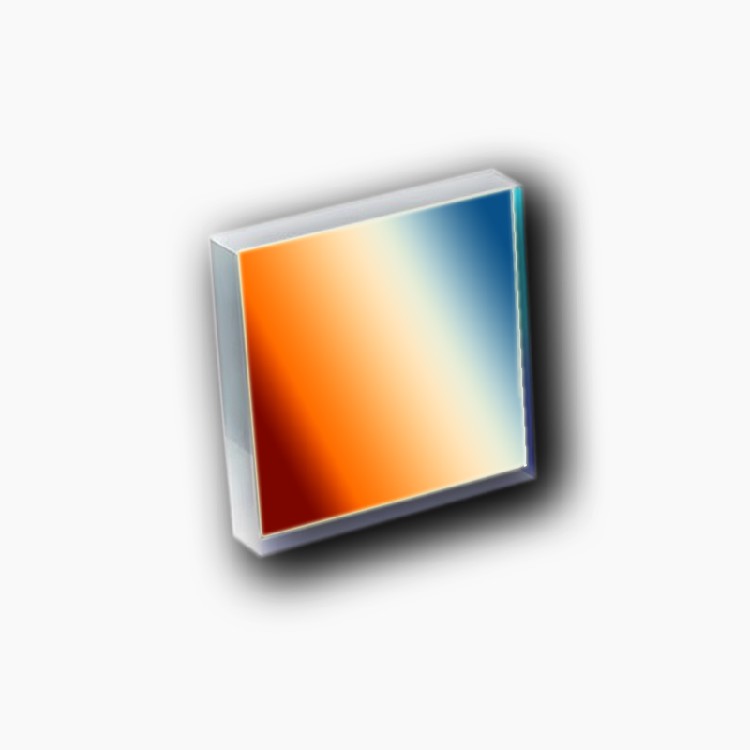
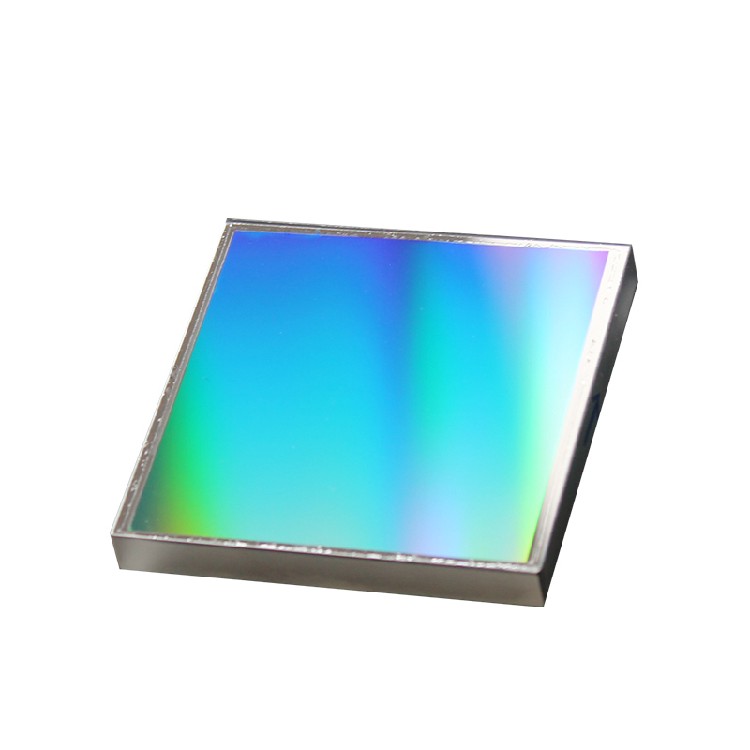
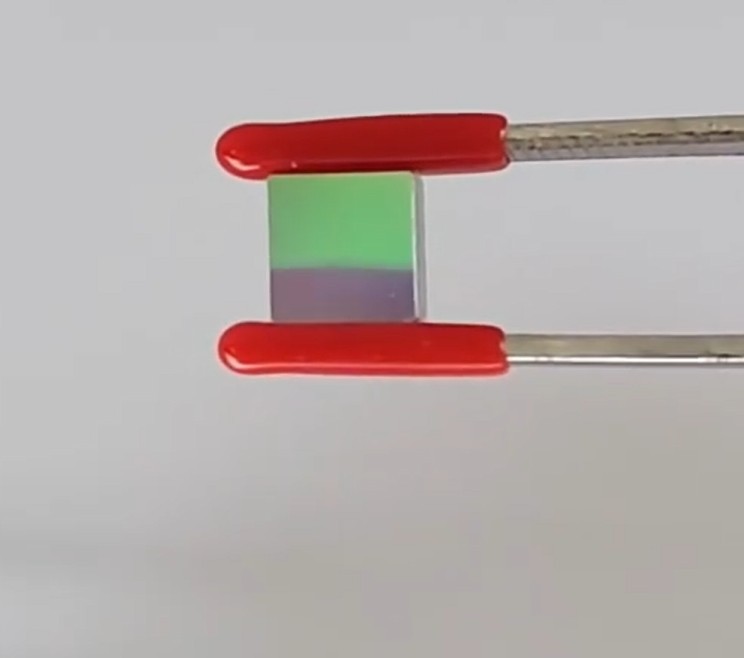
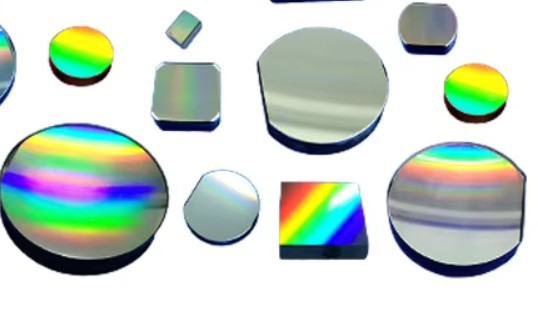
300L/mm 600L/mm Ruled Diffraction Grating for Spectrograph
 Share
Share


Basic Info
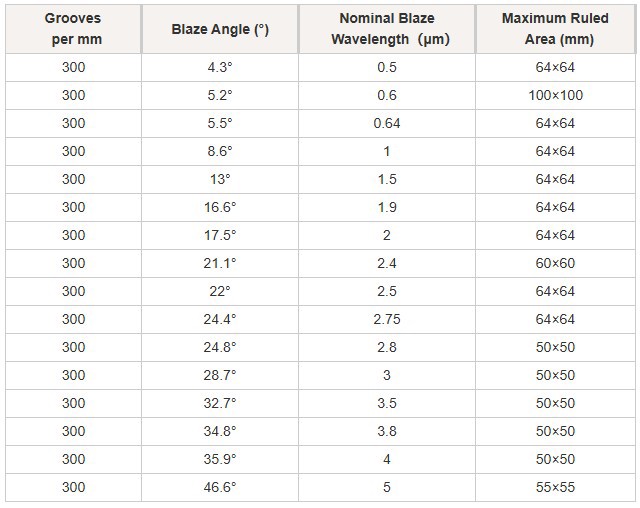
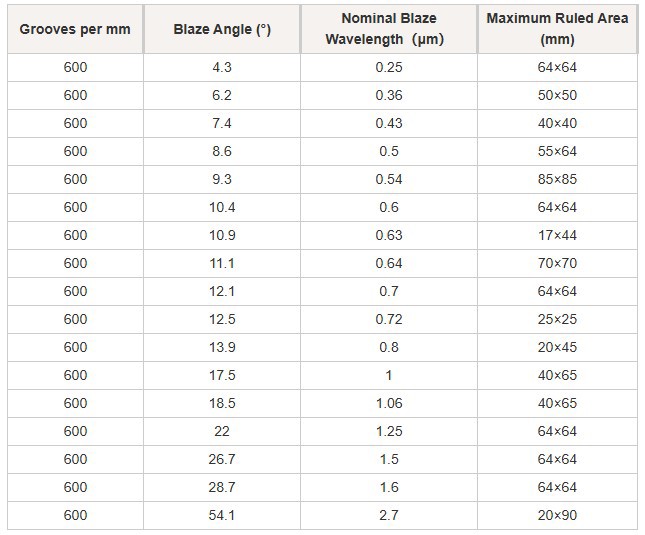
| Blaze Angle | 4.3°-52.7° | Blaze Wavelength | 250-10000nm | Clear Aperture | 90% |
|---|---|---|---|---|---|
| Coating | Aluminun | Dimension Tolerance | ±0.5 mm | Material | N-BK7(K9)/Fused Silica |
| Surface Quality | 60/40 | Thickness Tolerance | ±0.5 mm | ||
Product Description
Features
High Grating Efficiency of 60% to 80% at the Blaze Wavelength
Low Ghosting, <0.5% of Parent Line
Aluminum Reflective Coating
12.7 mm x 12.7 mm x 6 mm、25 mm x 25 mm x 6 mm、50 mm x 50 mm x 6 mm Various grating sizes are available upon request.
Ruled diffraction gratings
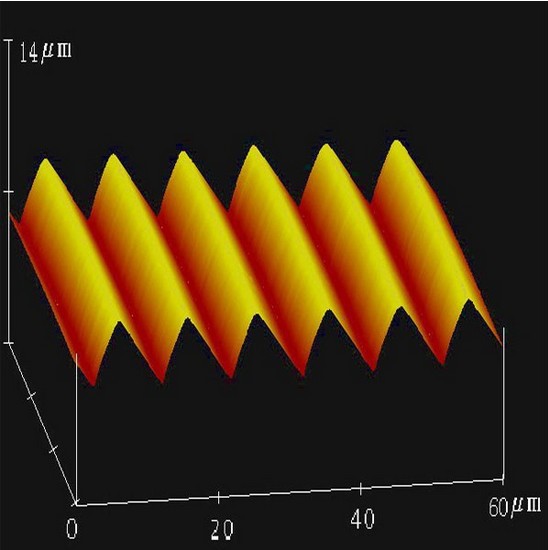
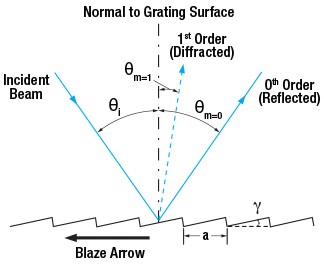
Ruled diffraction gratings are produced by ruling a series of closely spaced, straight parallel grooves into an optically flat aluminum coated substrate, known as the “master grating.” Precise, interferometrically-controlled ruling engines utilize a very fine diamond tool to form a sawtooth-shaped groove profile at a given angle (commonly referred to as the blaze angle) on the surface of a prepared substrate. The replication process begins with the surface contour of a ruled master grating being vacuum deposition-coated with an extremely thin separation layer. An aluminum coating is then deposited on top of this separation layer. Then, an epoxy-coated flat glass substrate is placed on top of the layer-covered master, duplicating the grooved surface. The combination is cured and the process is finished when the replicated grating is separated from the master grating.
Warning
Optical gratings can be easily damaged by moisture, fingerprints, aerosols, or the slightest contact with any abrasive material. Gratings should only be handled when necessary and always held by the sides. Latex gloves or a similar protective covering should be worn to prevent oil from fingers from reaching the grating surface. No attempt should be made to clean a grating other than blowing off dust with clean, dry air or nitrogen. Solvents will likely damage the grating's surface.
Recommended Products
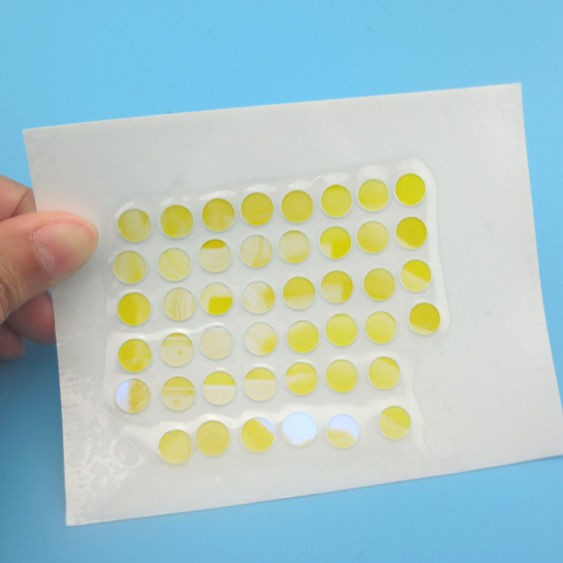 Optical 430nm 480nm 530nm 560nm Longpass Filter for IPL Beauty Machine$60 - $60 / unit10 unit(Min.Order)Contact Supplier
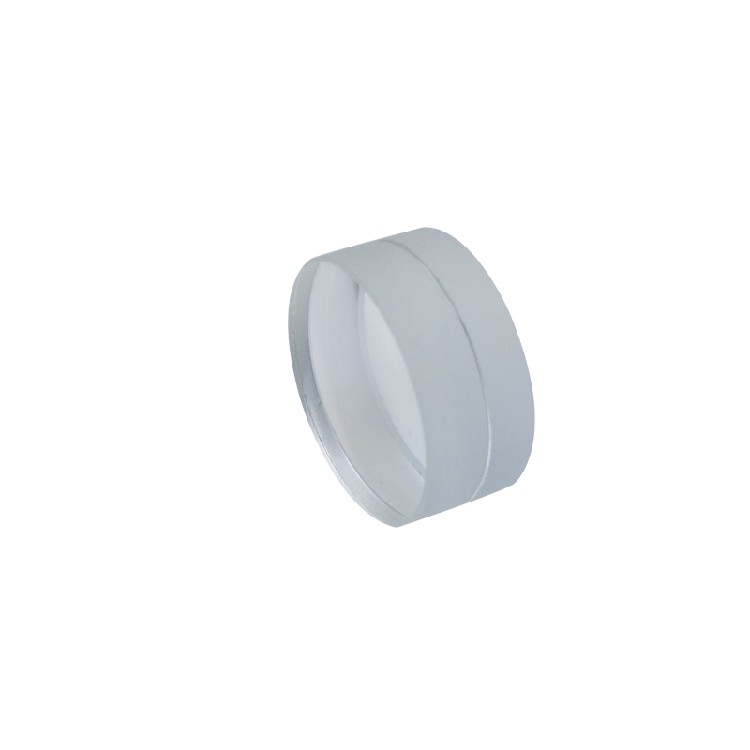 Factory Supply Optical Telescope Lens Doublet Achromatic Lens Objective Lens AR 400-800nm$7 - $7 / unit10 unit(Min.Order)Contact Supplier
- Custom Made Optical Glass Achromatic Lens$7.5 - $7.5 / unit5 unit(Min.Order)Contact Supplier
 Glass Material Filter 480nm Narrowband Filter$15 - $15 / unit5 unit(Min.Order)Contact Supplier
Recently Viewed
Contact Us
Changchun Sairuioptics Technology Co., Lt