Welcome!


Maintenance and Repair Guide for Spider-Type Articulated Boom Lifts
 Share
Share


Basic Info
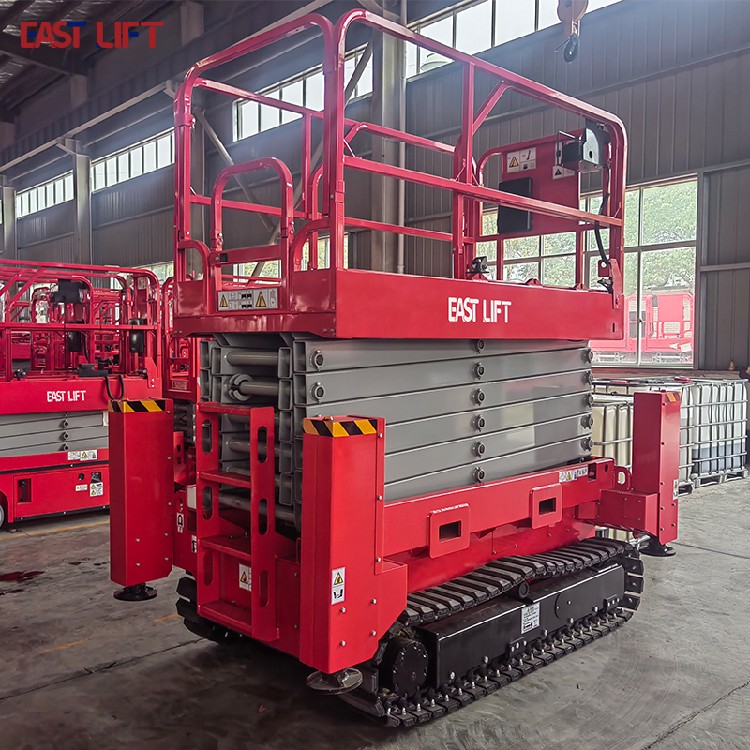
| Horizontal outreach,max | 10.2m | Platform capacity,max | 200kg | Platform height,max(200kg) | 22.0m |
|---|---|---|---|---|---|
| Total weight | 3450kg | Working height,max | 24.0m | ||
Product Description
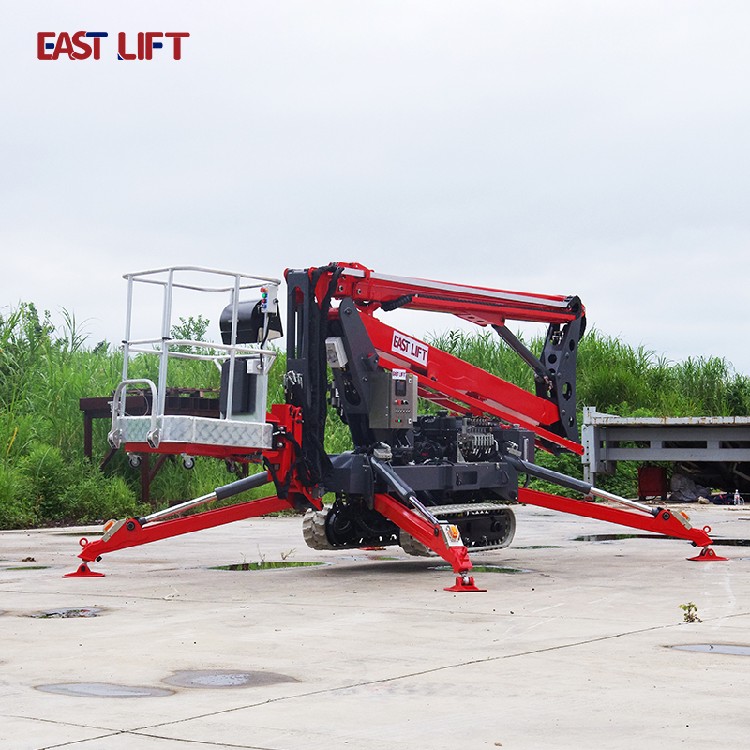
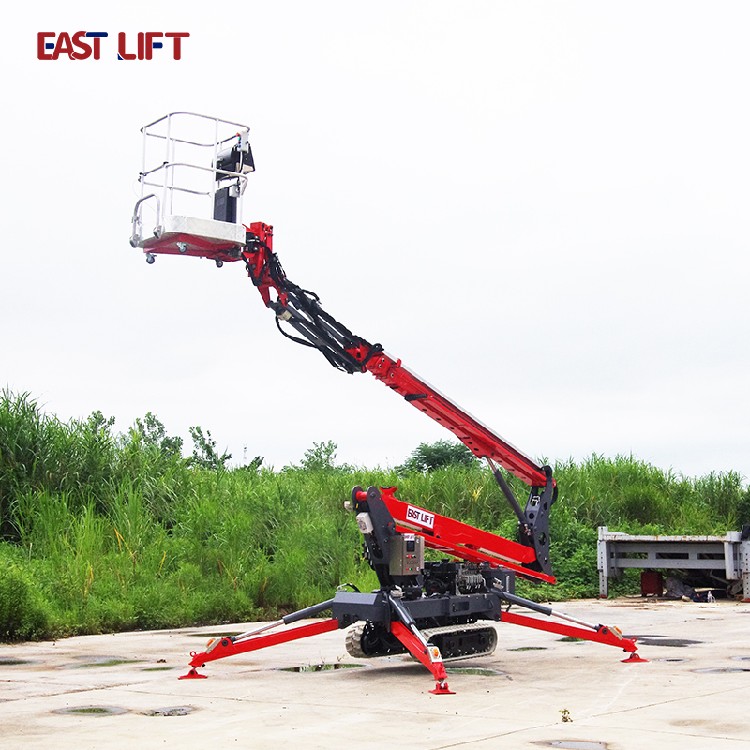
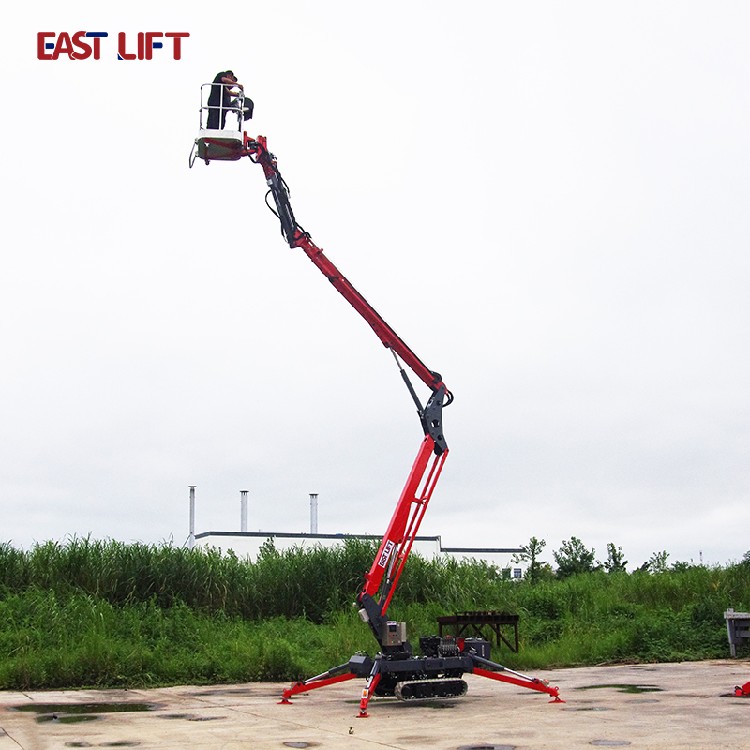
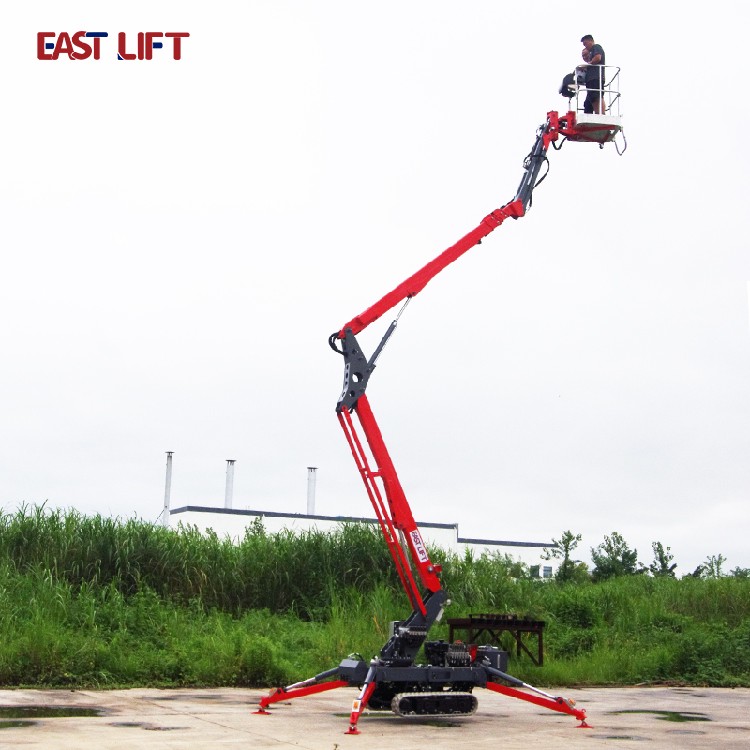
Spider-type articulated boom lifts are versatile workhorses for high-altitude operations, indispensable for indoor renovations, outdoor power line maintenance, and stadium construction. However, many users only know how to operate them but neglect routine maintenance. In fact, maintaining a spider-type articulated boom lift isn't complicated; focusing on key maintenance points can prevent breakdowns that delay projects, significantly extend equipment lifespan, and ensure safety during operation. Let's explore the core aspects of spider-type articulated boom lift maintenance.
I. Before daily startup: Perform a quick check to avoid risks
Before using a spider-type articulated boom lift each time, take a few minutes to perform a basic inspection. This can help identify minor problems promptly and prevent malfunctions during operation. This step is similar to checking the brakes and fuel level before driving a car – simple yet crucial.
1. Inspection of appearance and environment
First, walk around the vehicle to check for any obvious damage: look for deformation or dents on the boom, check if the guardrails of the work platform are secure, and inspect the welds for any cracks. Then, inspect the working environment. The ground should be level and firm, avoiding potholes, soft soil, and sharp objects to prevent uneven load distribution on the outriggers that could lead to tipping. Also, clean any dust, oil, and debris from the vehicle to prevent corrosion of components due to accumulation.
2. Inspection of core components
The key areas to check are three critical parts: firstly, the spider-type outriggers – check if they are locked securely in place after deployment, and if the outrigger pads are stable and not loose; secondly, the crawler chassis – check for wear, breakage, or foreign objects entangled in the tracks, ensure the bolts connecting the tracks are secure, and check for any dents or deformation in the chassis; and thirdly, the work platform – ensure the anti-slip surface is clean and free of debris, the control levers are functioning smoothly, and the safety fall protection device is working correctly.
3. Inspection of fluids and electrical circuits
Open the fuel tank cap and check if there is enough hydraulic fluid and diesel fuel (or battery charge for electric models). The hydraulic fluid level should be between the marked lines; if it's insufficient, replenish it with the same type of fluid, avoiding mixing different brands. Then, inspect the fluid lines for leaks, aging, or cracks. If any leaks are found, stop the machine immediately. Regarding the electrical system, check if the indicator lights and instrument panel are functioning correctly, and if the battery connections are loose or the wiring harness is damaged.
II. Clean and perform simple maintenance promptly after use to reduce wear and tear on components
After finishing the work, do not park the equipment directly in the warehouse. Proper maintenance procedures should be followed to ensure the equipment remains in good condition and to reduce future malfunctions.
1. Cleaning and organizing
Clean the dust, dirt, and oil stains from the work bucket and boom, especially the hydraulic cylinders and joints, to prevent impurities from entering the gaps and wearing down the seals. If working in muddy or wet environments, also rinse the tracks or tires, and after drying, check for any signs of corrosion.
2. Component reset and inspection
Return the boom and work platform to their retracted positions, ensuring the spider-type outriggers are fully retracted and locked. This ensures a compact body for easy storage and transportation. Double-check all critical components, such as handles and buttons, to ensure they are in their proper positions. Identify and address any problems immediately; do not postpone repairs until the next use.
3. Precautions for storage
Spider-type articulated boom lifts should be stored in a dry, well-ventilated warehouse, away from direct sunlight, rain, and high temperatures, to prevent corrosion of metal parts and aging of rubber components. Electric models should be charged regularly; diesel models should have the fuel tank valve closed and dust protection measures implemented.
III. Regular and thorough maintenance extends the lifespan of the equipment
In addition to daily inspections, in-depth maintenance should be performed according to the usage cycle, just like people undergo regular check-ups. This involves targeted replacement of parts and troubleshooting potential problems to ensure the equipment operates reliably and stably in the long term.
1. Weekly inspection of lubrication and seals
Weekly, apply specialized lubricating oil to moving parts such as boom joints, hydraulic cylinders, and outrigger connections to reduce friction and wear, preventing parts from seizing or rusting. At the same time, inspect seals, such as the O-rings in the hydraulic lines, for signs of aging, deformation, or leakage, and replace any damaged seals promptly.
2. Monthly inspection: Comprehensive review of critical system components
A comprehensive inspection can be performed monthly, including the hydraulic system, braking system, and electrical system. For the hydraulic system, check if the filter element is clogged; a clogged filter will affect fluid flow and cause slow boom lifting, so it should be cleaned or replaced promptly. For the braking system, test the brake sensitivity to ensure reliable braking. For the electrical system, check the wiring connections and fuses to eliminate potential problems such as poor contact and short circuits.
3. Professional inspection and testing during annual vehicle inspection, and parts replacement.
3. A thorough maintenance check should be performed annually by qualified professionals. A thorough maintenance check should be performed annually by qualified professionals. The focus should be on replacing consumable parts such as hydraulic oil, engine oil, and filters, and conducting in-depth non-destructive testing on load-bearing components such as the boom and outriggers to detect hidden fatigue damage. At the same time, safety devices should be calibrated to ensure their sensitivity and reliability, preventing safety accidents caused by equipment aging.
Conclusion
Regarding maintenance, it's important to be aware of common misconceptions: Avoid mixing different types and brands of hydraulic oil; when replenishing hydraulic oil, always use the type specified in the equipment's instruction manual; avoid neglecting lubrication or over-lubrication, as excessive lubrication can attract dust and debris, forming sludge. Apply lubricant according to the instructions and in the correct quantity; do not delay in addressing minor malfunctions, as this can lead to more significant problems and higher repair costs; for complex core component disassembly, always use professional maintenance personnel. In fact, the maintenance of spider-type articulated boom lifts doesn't involve complex procedures; the key is diligent daily checks, quick cleaning after operation, and regular in-depth maintenance. Spending a small amount of time on these tasks will prevent equipment breakdowns that delay work, extend the service life, reduce maintenance costs, and ensure safety during high-altitude operations.
Recommended Products

Contact Us
Shandong Xusheng Machinery Technology Group Co., Ltd.