Welcome!


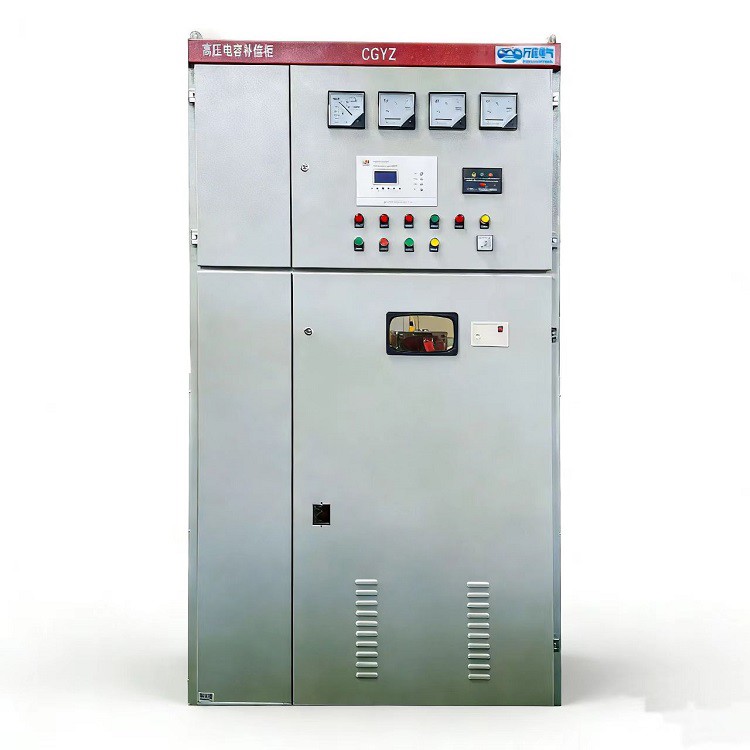
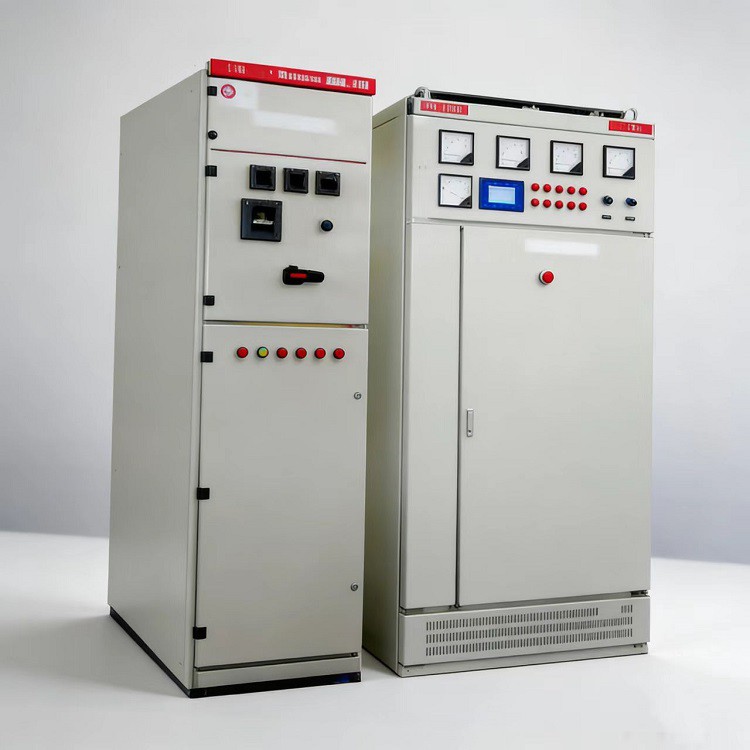
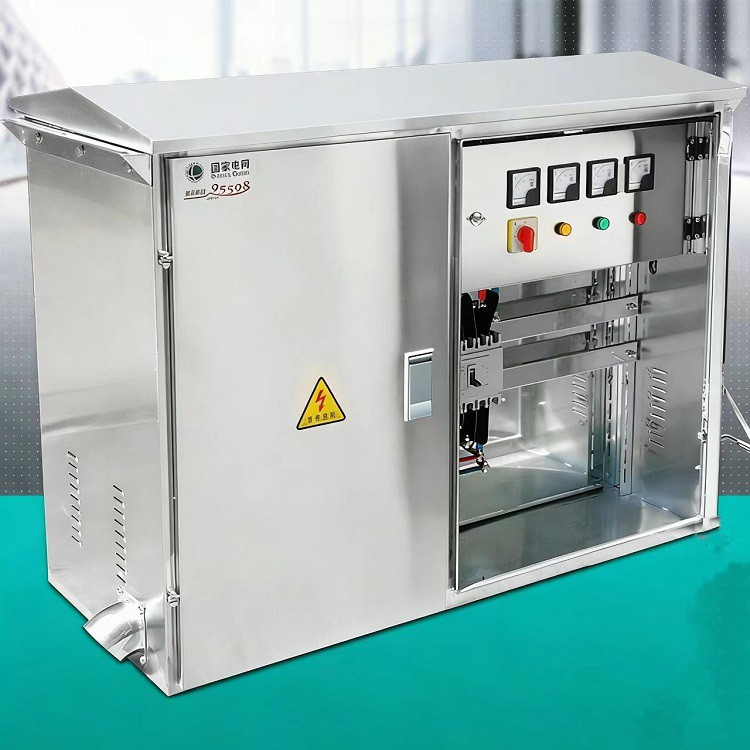
compensation cabinet
 Share
Share


Product Description
I. Definition
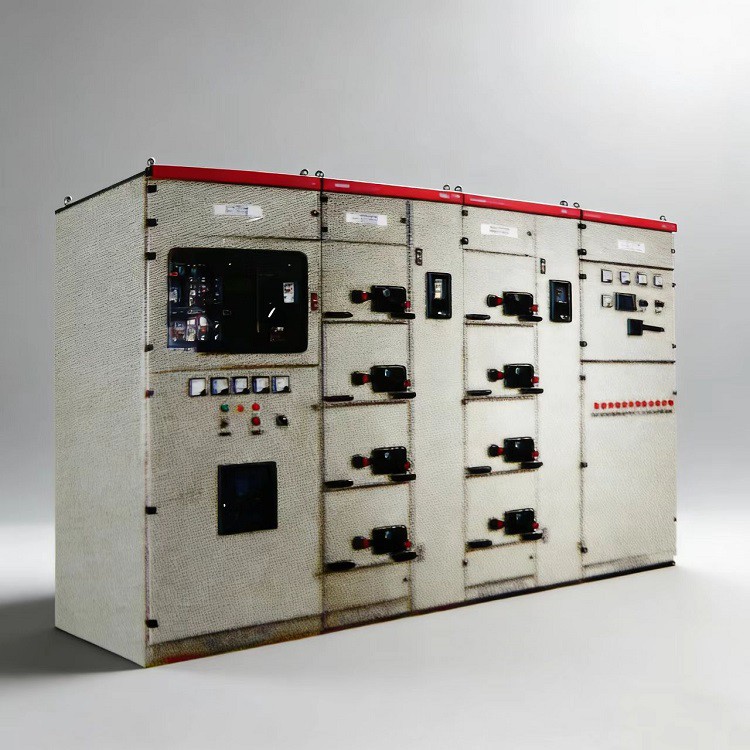
The full name of the compensation cabinet is the reactive power capacitor compensation cabinet. It is a dedicated supportinginet for low-voltage distribution systems, installed in parallel with transformers and distribution cabinets. Through components such as capacitors, reactors, and switching switches, it automatically supplements reactive power to optimize quality and save energy by reducing losses.
II. Core Functions
1. Improve power factor to avoid fines from the power company (non-compliant power factor incurs power factor adjustent fees);
2. Reduce line reactive losses and decrease heating in cables and transformers;
3. Enhance the load-carrying capacity of transformers and distribution cabinets, allowing the same equipment try more load;
4. Stabilize voltage and improve the operating conditions of motors, fans, and water pumps;
5. Suppress harmonics (when paired with reactor modules) to protecal equipment and instruments.
III. Working Principle
Motors, fans, and water pumps in the power grid are inductive loads that generate reactive losses and lower the power factor. The tion cabinet uses a smart controller to monitor in real-time and automatically switch capacitor banks. It uses capacitive reactive power to offset inductive reactive power, stabilizing the power fator around 0.95.
IV. Main Configuration
Cabinet body smart reactive power compensation controller shunt capacitors series reactors (anti-harmonic) switchin contactors/compound switches fuses, indicator lights, busbars, and wiring terminals.
V. Common Classifications
- Standard Type: For conventional factories, workshops, and civil ditribution;
- Anti-harmonic Type (with reactors): Essential for scenarios with many frequency converters, fan frequency conversion, mining, chemical plants, and production lines;
- Dynamic Compensation: Dor scenarios with large load fluctuations and frequent start-stop equipment (high-power fans, crushers).
VI. Suitable Scenarios
Factory workshops, mine distribution, fan supporting power stations, pump station bution rooms, residential distribution rooms, shopping malls and office buildings, and a must-have on the low-voltage side of transformers.
VII. Configuration Notes
Generally used in combination with incoming line cabinets, outgoing distribution cabinets, and power cabinets. Installed beside the transformer's low-voltage cabinet, it is the standard energy-saving configuration for the entire distribu
Recommended Products


Recently Viewed
Contact Us
Shanxi Anxin Energy-Saving & Explosion-Proof Blowe