Welcome!

Shenzhen Weichengcai Printing and Packaging Co., LTD
Main products: FSC Environmental Certification Certificate , packaging box manufacturer , paper box factory,custom packaging manufacturer,gift box supplier,carton box maker, custom gift box, luxury packaging box,printed paper box, eco friendly packaging box,foldable paper box
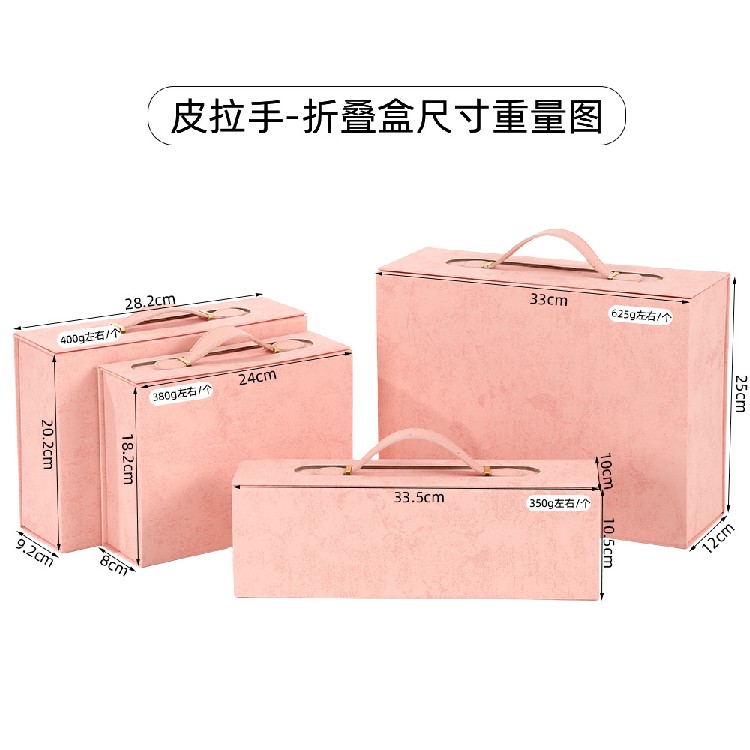
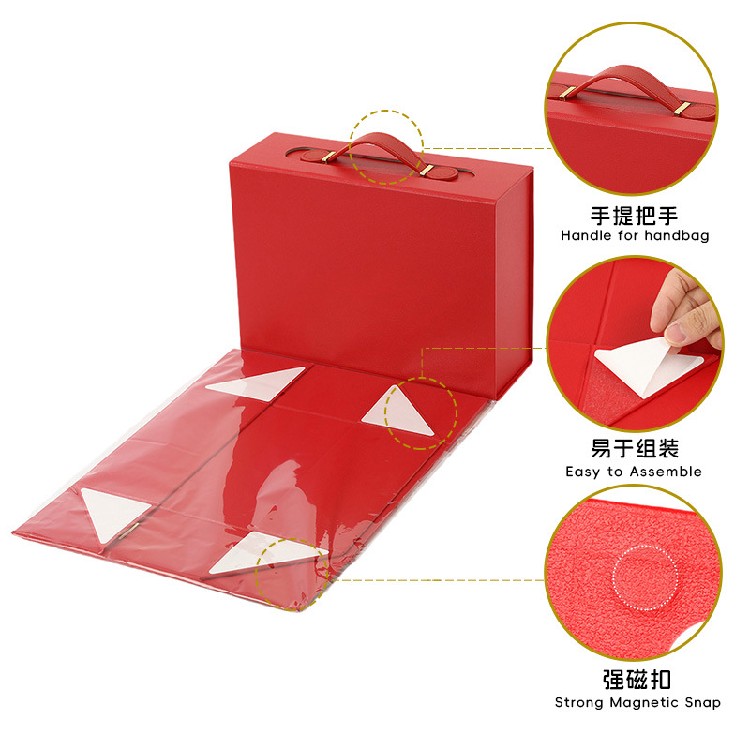
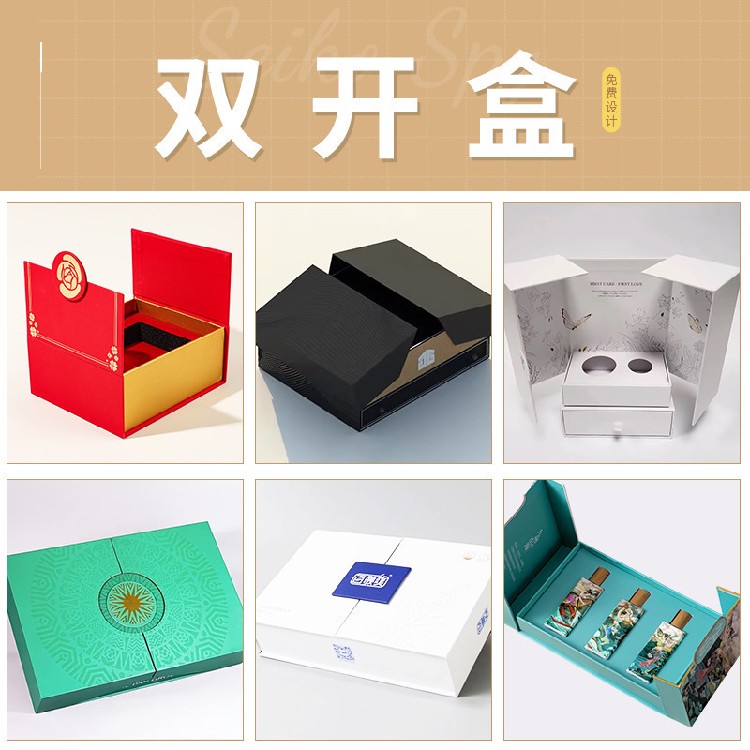
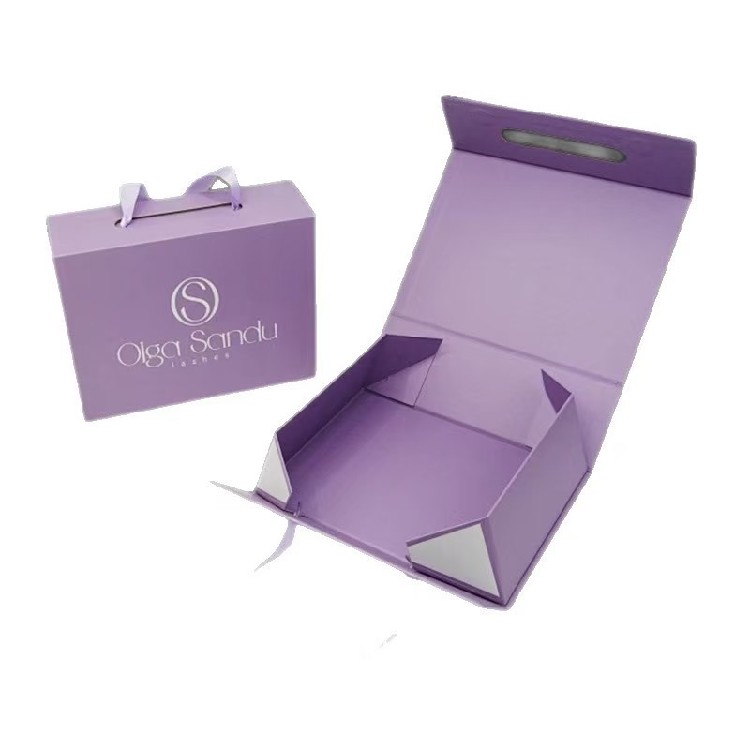
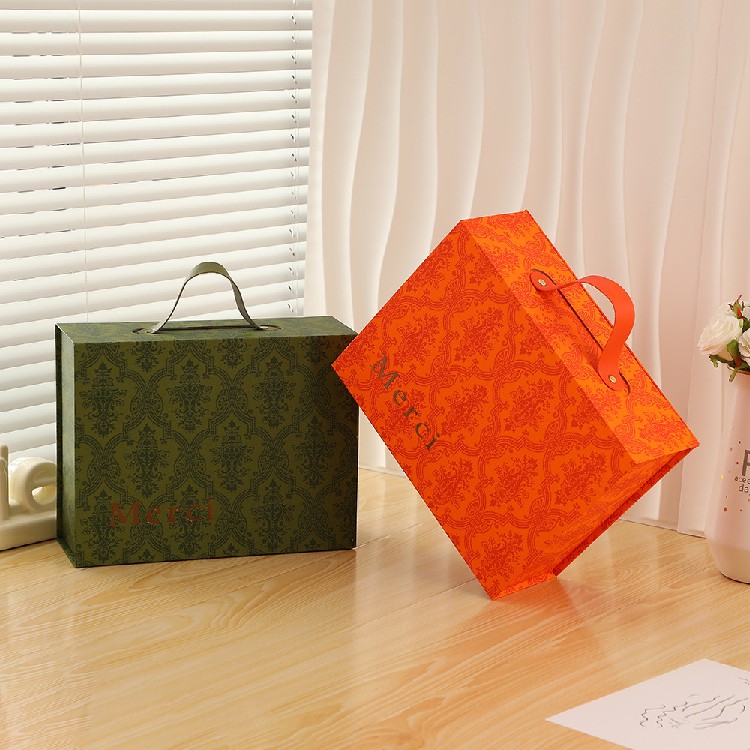
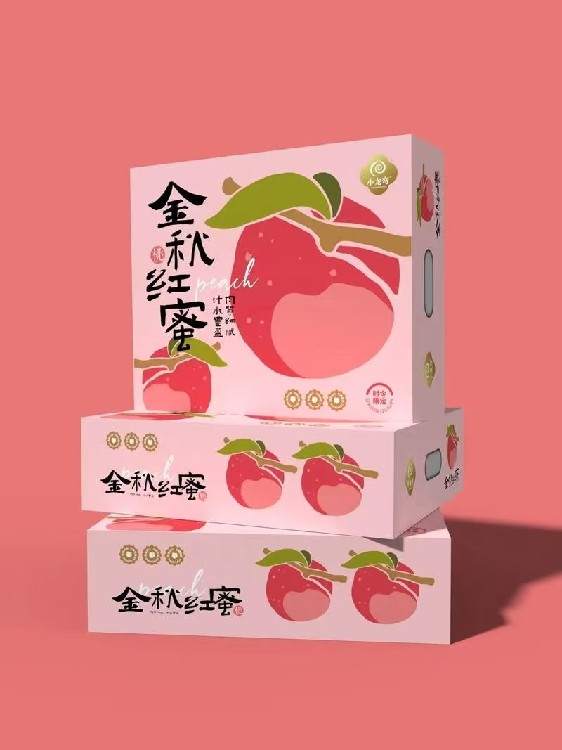
Customized paper box source factory
 Share
Share


Basic Info
| Box-type structure | Top and bottom cover/folding box/irregular-shaped box/book-shaped box/drawer box | Face paper material | Coated paper/specialty paper | Inner lining material | EVA/ Sponge/vacuum forming/paper tray |
|---|---|---|---|---|---|
| Origin | Shenzhen, Guangdong, China | Paper materials | High-density grey board | Printing process | Printed in Heidelberg, Germany |
| Specification | Customization is available according to customer drawings | Surface treatment | Gilding + embossing +UV | Trademark | Customer logos can be gold-embossed or silk-screened |
Product Description
A Comprehensive Analysis of Custom Carton Manufacturing Source Factories in 2026 – From Material Selection to Delivery: A Guide to Identifying Reliable Suppliers. In B2B procurement, the term "source factory" signifies lower prices, more stable delivery schedules, and better quality control. However, with a vast number of suppliers available, how can one distinguish genuine factories from impostors? What are the true complexities involved in custom carton production? This article examines the entire manufacturing process from the perspective of source manufacturers, breaks down key cost factors, highlights common pitfalls, and introduces the authentic direct-supply model. A time-limited bonus is offered at the end – ideal for those seeking reliable carton suppliers.Packaging box
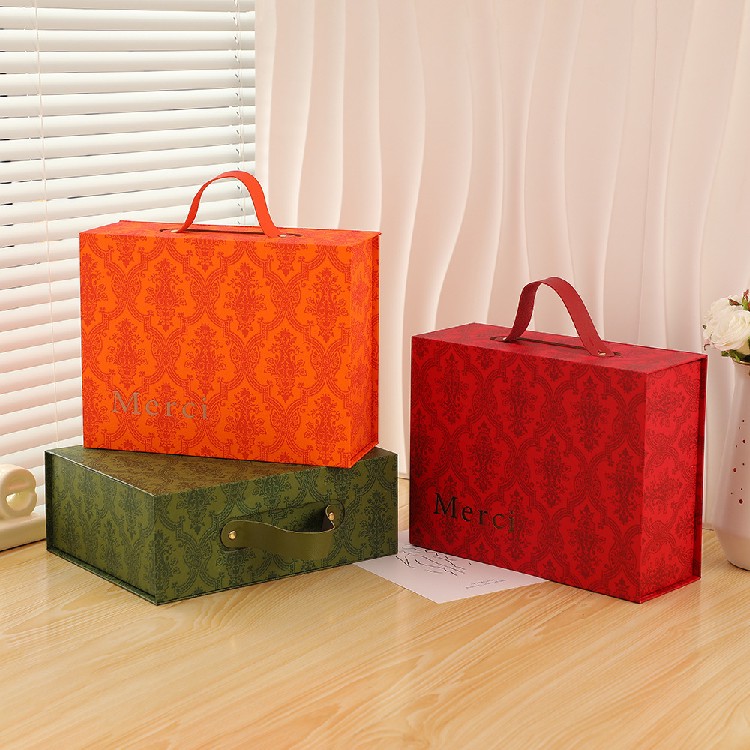
- What is a "Custom Paper Box Source Factory"?
A source factory refers to a production enterprise that handles the entire process—from direct procurement of raw materials, printing and processing, to final product manufacturing and shipment—without any intermediate traders or agents. In contrast, there are "traders" or "subcontracting factories" that take orders and outsource production, offering no guarantee regarding quality or delivery timelines.
Shenzhen Weichengcai Printing and Packaging Co., Ltd. is located on the 5th floor of Building B in Hongpenghui Industrial Park, Gonghe Industrial Road, Xixiang, Bao'an District. It is a self-operated custom carton manufacturing facility with a construction area of 2,300 square meters: equipped with a pre-press plate-making center to eliminate the need for repeated adjustments due to design errors; featuring 5-color or 6-color printing presses for high color saturation and strong spot-color reproduction capabilities; and fully automated production lines for film coating, embossing, die-cutting, and box lamination, which reduce external outsourcing requirements and ensure a closed-loop quality control system. The company maintains stock of dozens of standard paper types (including white cardstock, gray board, corrugated paper, kraft paper, etc.), eliminating material procurement delays. In short, every carton you receive—from raw paper to finished product—is manufactured entirely within our own workshop.Recyclable box - What practical problems can the source factory solve for you?
- Direct price reductions of 30%–50%, with no intermediary markups or multi-tier logistics fees. We disclose paper costs, ink costs, and labor costs transparently, providing clear and verifiable quotes.
- Small-batch ordering with flexible trial-and-error capabilities: The source factories typically employ proprietary equipment, resulting in low order changeover costs. We support print runs starting from 500 units (some standard box formats require as few as 300 units), making it ideal for new product testing, e-commerce bestsellers, and seasonal limited-edition packaging.
- Deliverable timelines are fully controllable, with no delays for urgent orders: As there are no external collaboration steps involved, production scheduling is entirely under our control. Standard color boxes are shipped within 3–5 days, while urgent orders can be produced overnight (upon prior coordination).
- Comprehensive quality assurance without buck-passing: Issues such as color deviation in printing, misalignment during die-cutting, or bubble formation on film coating are prone to mutual blame-shifting under the subcontracting model. The source manufacturer is responsible for every production step, ensuring that defective products are returned or replaced, and covering the costs of reshipment.
- Comprehensive Guide to Custom Paper Box Production (With Factory Photos and Perspectives) To facilitate professional collaboration with manufacturers, we've outlined all steps below—this will significantly reduce communication costs.
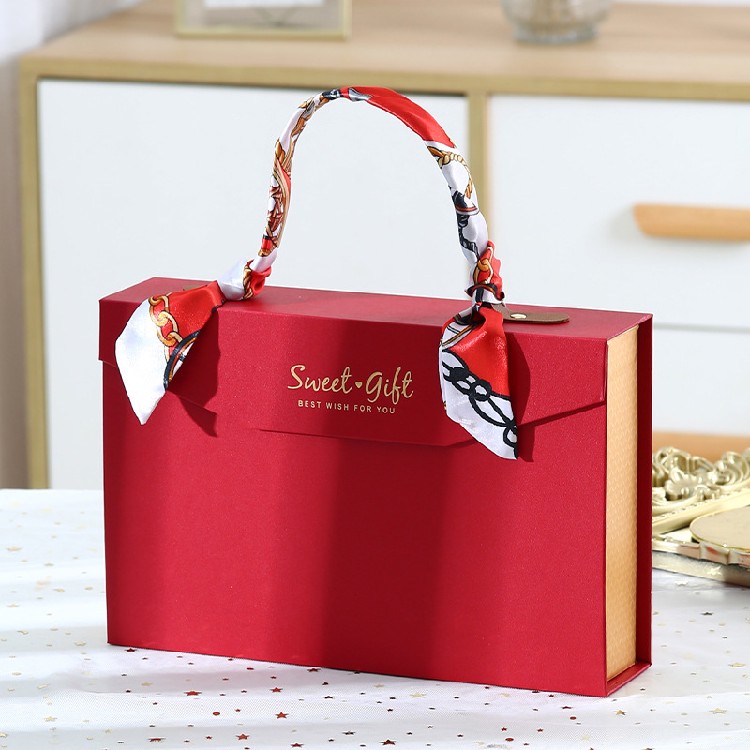
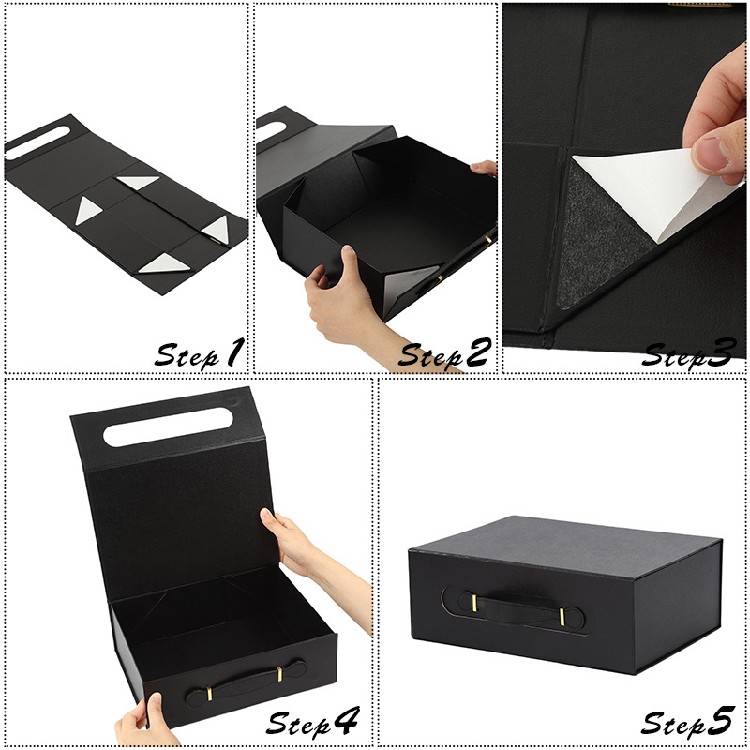
Step 1: Requirements Communication and Box Type Selection Provide product dimensions, weight, and load-bearing requirements. Determine the appropriate box type: cardboard boxes (e.g., mobile phone packaging), corrugated boxes (e.g., courier boxes), folding boxes (e.g., gift boxes), or drawer/book-shaped boxes (for mid-to-high-end gifts). Factory Recommendation: For first-time collaborations, our structural engineers can provide free recommendations for the optimal box type, saving 5%–15% in material costs.Foldable box
Step 2: Material and Process Selection Paper Types: White cardstock (commonly 250g–400g), coated paper, kraft paper, specialty paper, E/F corrugated paper Surface Treatments: glossy/matte coating, gold/silver embossing, UV local finishing, embossing/relief printing, reverse matte finish Support Materials: pearl foam (EPE), EVA, vacuum formed sheets, pulp backing
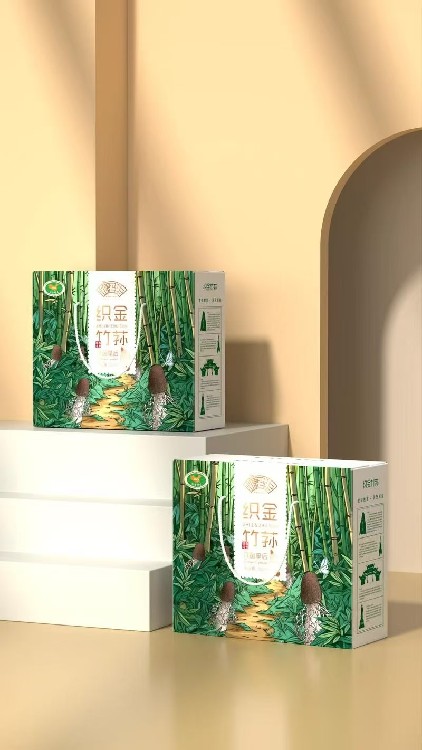
- Step 3: Quotation and Sample Production Free structural diagrams provided with precise pricing. Supports digital sample production (1–2 days for pattern verification) and physical manual sampling (3–5 days to assess material texture and feel). Sample fee [e.g., ¥200–500 per design], fully refunded upon bulk order confirmation Custom packaging box
- Step 4: Mass Production Pay a 30% deposit after sample approval; we handle the entire process: CTP publishing → printing → coating → die-cutting → box assembly → quality inspection. Progress photos短视频 or remote video inspections available during production
- Step 5: Packaging, Shipping & After-sales Service Packaging: wrap film + corner protectors + waterproof tray to ensure damage-free transport. Available logistics options: dedicated carriers, express delivery, or in-person pickup nationwide. Quality issues within 7 days of receipt will be resolved with unconditional rework or refund.
- Unveiling the pricing logic of source factories – where exactly does your money go?
Common procurement questions: Why do quotes for paper boxes of the same size vary by up to twice between different manufacturers? The source factory breaks down the actual cost structure as follows: Cost Item | Percentage | ExplanationPaper | 40%–50% | Price of white cardstock fluctuates with market conditions; factories have pricing power over inventory levels Printing plates | 5%–10% | One-time costs for printing plates and cutting dies; lower per-order costs as order volume increases Printing and processing | 15%–20% | Ink, machine operation fees, post-processing color correction | 10%–15% | Film coating, gold stamping, die-cutting, box gluing (costs increase with additional processes) Manual quality inspection | 5%–10% | Full inspection, packaging, labeling Profit and miscellaneous expenses | 5%–10% Source factories typically maintain profit margins below 10%, which is more than half lower than those of traders. Important note: If a manufacturer's quote is significantly below market price, it likely involves practices such as reducing paper weight, using inferior adhesive, or omitting quality inspection steps. We adhere to transparent pricing and can provide material sample comparisons for verification. - Which industries are customizing paper boxes directly at the source factories?
Food Industry: Cake boxes, chocolate boxes, mooncake boxes, prepackaged food containers (requiring food-grade film coating); Electronics: Bluetooth earphone cases, power bank cases, smart home packaging (emphasizing pressure resistance and high-quality printing); Cosmetics: Face mask boxes, lipstick boxes, gift set boxes (requiring high consistency in color and texture); E-commerce Logistics: Color boxes, aircraft boxes, kraft paper boxes (balancing cost efficiency with stacking strength); Gift Products: Stationery boxes, toy boxes, holiday gift boxes (requiring frequent design updates and small-batch rapid production). If you belong to any of these industries, please contact us directly for real-world case examples of similar products.
VI. Why is it said that "choosing the right factory manager is more important than choosing the factory itself"?
In B2B collaborations, partnering with a business manager who understands printing processes, possesses patience, and can provide expert advice is far more crucial than simply comparing prices. Our factory implements a "project manager system": from your first inquiry onward, we assign a colleague familiar with printing processes to oversee the entire process until product shipment.
✅ Free printing file review service (including bleed control, resolution adjustment, and font curvature correction) ✅ Proactive alerts for potential color variation ranges (depending on materials) For bulk orders, we randomly select 5–10 cartons and take high-definition photos for your verification. VII. Limited-Time Customer Benefits (Exclusive to new B2B platform clients): To help businesses test markets cost-effectively, contact us via this article now to claim these benefits: Benefit 1: First sample production at just [¥99] material fee (originally ¥300–500), with a ¥200 discount on bulk orders. Benefit 2: Get 500 spare boxes free for orders exceeding 10,000 units (highly practical for reducing wear). Benefit 3: Free PDF of "Custom Carton Design Guide" (containing 20 real-world cases and a document inspection checklist). Benefit 4: Earn a 5% cash rebate on referral transactions by recommending industry partners. Consult now to additionally receive the internal report "2026 Paper Market Trend Analysis" to optimize procurement timing.
In the custom cardboard box industry, there is no "cheapest factory" —only the "most suitable partner." Shenzhen Weichengcai Printing and Packaging Co., Ltd. does not compete on price but firmly promises: for equal quality, our prices will be lower than anyone's; for equal pricing, our service and manufacturing standards are higher.
Recommended Products

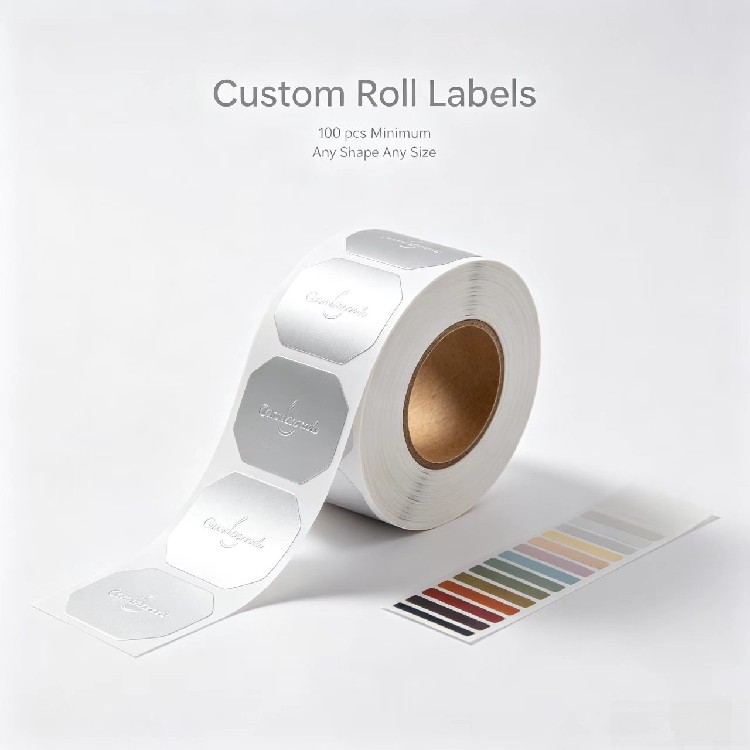 Custom Roll Labels Custom Printed Adhesive Sticker Labels for Business Logo Branding$0.76 - $0.76 / unit100 unit(Min.Order)Contact Supplier
- Custom Roll Labels Custom Die Cut Labels Custom Printed Labels Custom Logo Stickers Any Shape Low MOQ 100pcs Bulk Discount$0.15 - $0.15 / unit100 unit(Min.Order)Contact Supplier
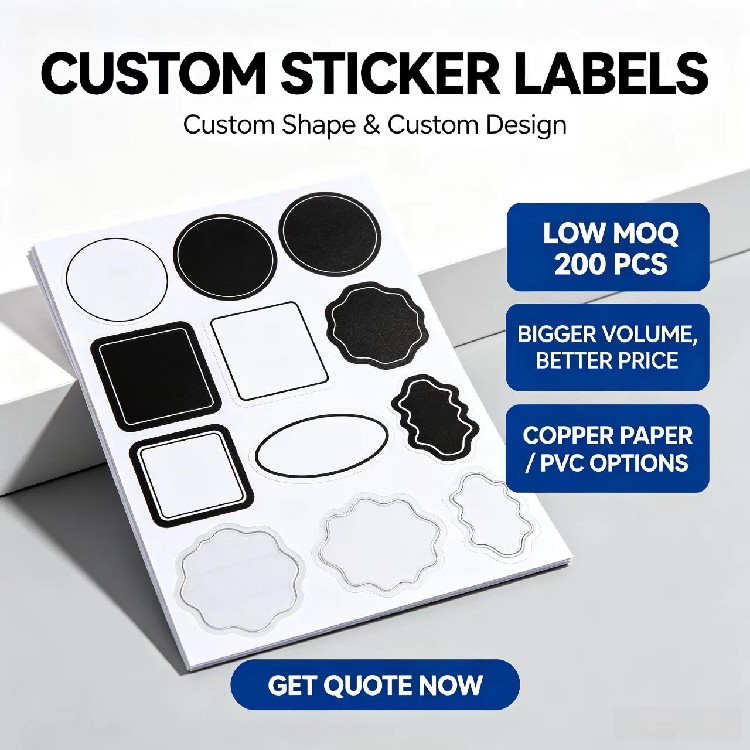 Custom Die Cut Stickers Custom Logo Stickers Custom Printed Labels Custom Sticker Label Any Shape High End Sheet Customization Low MOQ Bulk Discount$0.13 - $0.13 / unit200 unit(Min.Order)Contact Supplier
- Customized paper box source factory$7.8 - $7.8 / unit1000 unit(Min.Order)Contact Supplier




Recently Viewed
- Customized paper box source factory
 Drain sticker / Floor drain sticker
- Custom Roll Labels Custom Die Cut Labels Custom Printed Labels Custom Logo Stickers Any Shape Low MOQ 100pcs Bulk Discount
- Custom Roll Labels Custom Printed Adhesive Sticker Labels for Business Logo Branding
- Custom Die Cut Stickers Custom Logo Stickers Custom Printed Labels Custom Sticker Label Any Shape High End Sheet Customization Low MOQ Bulk Discount
Contact Us
Shenzhen Weichengcai Printing and Packaging Co., LTD