Welcome!


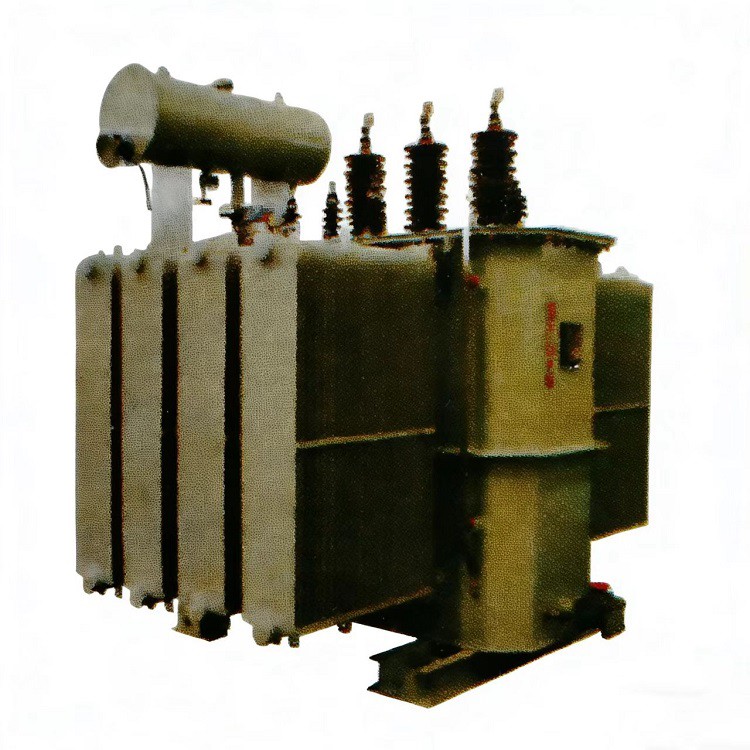
On-Load Tap-Changing Power Transformer
 Share
Share


Product Description
I. Basic Definitions
On-Load Tap-Changing Power Transformer (OLTC Transformer): A power transformer that stabilizes output voltage by changing the turns ratio through switching winding taps via an on-load tap changer while under load and without power interruption.
II. Core Working Principle
- Based on the turns ratio formula: U₁/U₂ = N₁/N₂
- Switches high-voltage winding taps to change the effective number of primary turns N₁, thereby stabilizing the secondary voltage U₂
- The on-load tap changer uses a "make-before-break" mechanism with transition resistors/vacuum arc quenching to complete switching within 10–20ms, ensuring uninterrupted power supply and no significant arcing
III. Key Component: On-Load Tap Changer (OLTC)
- Core Function: Safe switching of winding taps while energized
- Main Composition: Vacuum interrupter, transition resistor, rapid operating mechanism, sealed oil chamber
- Lifespan: Mechanical life > 500,000 cycles, electrical life > 200,000 cycles
IV. Main Features
- ✅ Voltage regulation without power interruption: Adjustable during load operation, ensuring uninterrupted power supply
- ✅ Wide voltage regulation range: Typically ±10% (total 20%) for 110kV and above; common configurations include ±8×1.25% or ±4×2.5%
- ✅ Automatic/Manual Control: Can be equipped with intelligent control systems for automatic voltage stabilization
- ✅ Improves power supply quality: Suppresses voltage fluctuations and adapts to scenarios with severe load variations
- ⚠️ Higher cost and larger size: More expensive and complex to maintain than same-capacity off-circuit tap-changing transformers
V. Typical Application Scenarios
- Main transformers in 110–500kV substations (load centers, areas with frequent voltage fluctuations)
- High-reliability power supply scenarios such as urban distribution networks, industrial parks, precision manufacturing, and data centers
- Grid connection for new energy sources like photovoltaic and wind power, to suppress voltage fluctuations
- Critical loads where voltage regulation during power outages is not allowed (hospitals, transportation hubs, etc.)
VI. Differences from Off-Circuit Tap-Changing
- On-Load Tap-Changing: Switching during energized operation, automatic/manual, wide range, high cost
- Off-Circuit Tap-Changing: Requires power interruption, manual operation, narrow range, low cost
Recommended Products


Recently Viewed
Contact Us
Shanxi Anxin Energy-Saving & Explosion-Proof Blowe