Welcome!


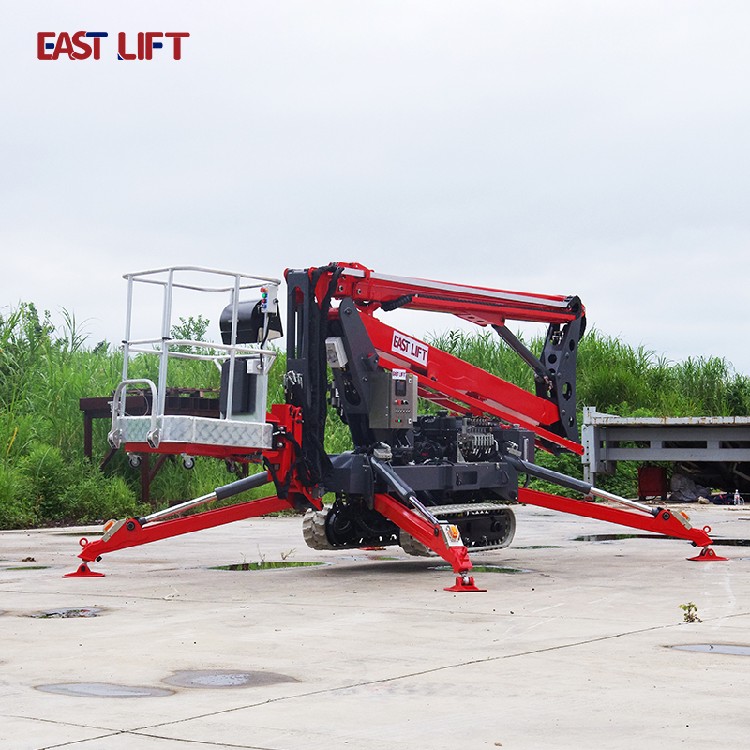
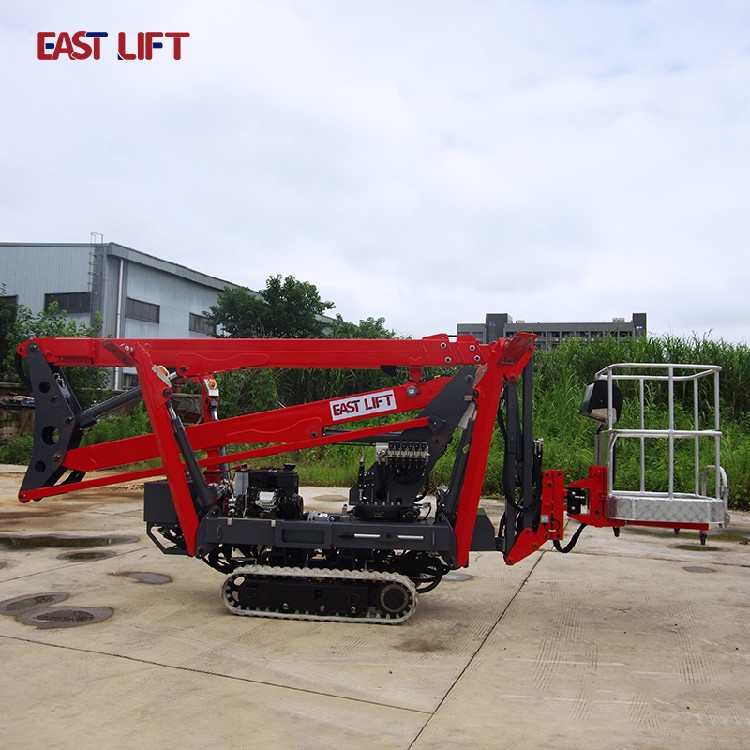

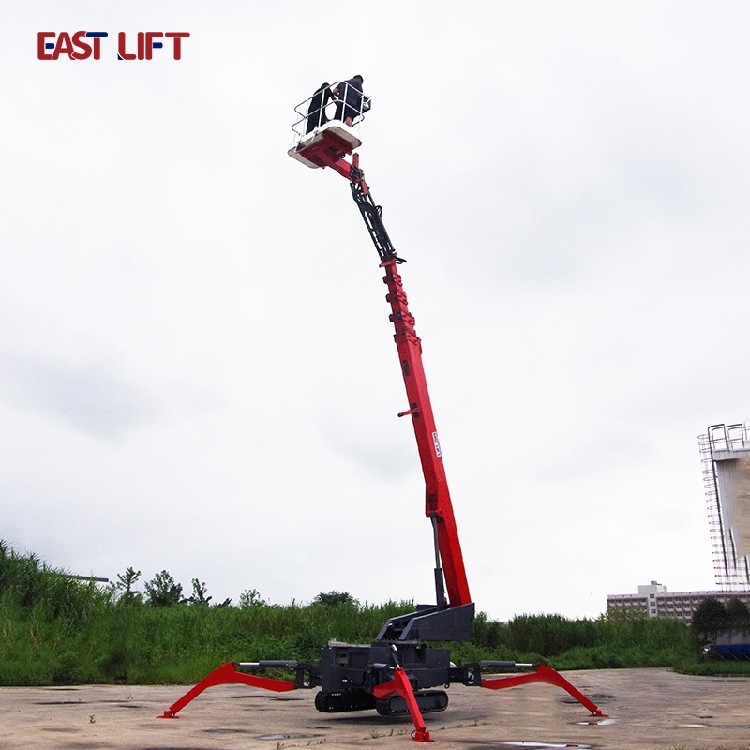
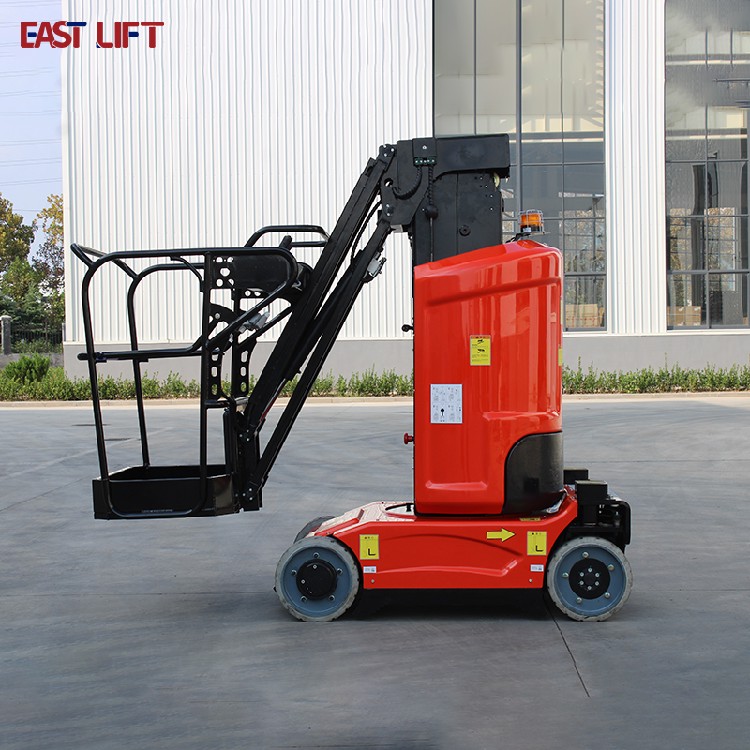
Common Faults and Troubleshooting of Aerial Work Platforms
 Share
Share


Product Description
Common Faults and Troubleshooting of Aerial Work Platforms
Aerial work platforms are core equipment for modern high-altitude construction and maintenance. Long-term outdoor operation, wear under complex working conditions, and irregular daily use can easily cause various mechanical, hydraulic and circuit faults. Delaying repairs for minor faults will not only hinder construction progress, but also aggravate component damage and even trigger potential safety hazards. Mastering common fault symptoms, quick troubleshooting ideas and basic solutions can reduce downtime losses, cut maintenance costs, and ensure stable operation of equipment.
Traveling faults are among the most frequent problems of aerial work platforms. Common symptoms include weak traveling, jolting movement, one-sided malfunction, and failure to move forward or backward. For electric models, issues are mostly caused by insufficient battery power, poor circuit connection, aging travel motors and abnormal control signals; for fuel-powered models, problems generally relate to insufficient power, worn hydraulic pumps and stuck travel valves. During troubleshooting, first check the battery level and power terminals to clean oxidized and loose circuits. Then inspect the hydraulic oil level and deteriorated or contaminated oil. Finally, test the control signals of the operating handles and the working status of solenoid valves to locate faults step by step.
Abnormal lifting movements are quite common, including slow lifting, jitter during elevation, failure to rise, and pressure drop and sinking. Slow lifting is mostly caused by excessive hydraulic oil viscosity, clogged filter elements and insufficient hydraulic pump pressure. Lifting jitter usually results from air in the oil circuit, aging cylinder seals and stuck balance valves. For automatic sinking, focus on checking internal leakage of cylinder oil seals, slight pipeline leakage and poor sealing of one-way valves. Daily troubleshooting should prioritize the cleanliness of hydraulic oil. Timely replace filter elements and deteriorated oil, exhaust air bubbles in the oil circuit, and clean impurities in valve bodies. Most minor lifting faults can be solved quickly in this way.
Circuit faults are concealed and difficult to troubleshoot. Failure to power on, constant alarm lights, pop-up fault codes and operational malfunction all belong to circuit problems. Main inducing factors include worn and short-circuited wiring harnesses, water ingress in waterproof connectors, blown fuses, controller overload protection and sensor failure. Outdoor rain exposure, construction site dust accumulation and circuit aging will accelerate circuit failures. It is recommended to cut off the power first during inspection, check for damaged or squeezed external wiring harnesses, remove dust and water in electric control boxes, reset emergency stop buttons and inspect safety limit switches. Locate corresponding sensors and modules according to fault codes to avoid blind disassembly and assembly.
Abnormal operation of safety protection devices is also a frequent on-site issue. Frequent tilt alarms, overload locking, outrigger detection errors and failed platform limit functions will directly lock operations and disable equipment. Most problems stem from offset tilt sensors, failed load sensing modules, stuck outrigger travel switches and deformed limit baffles. Uneven ground, unbalanced load placement and frequent collisions during operation may cause misalignment of safety components. Calibrate sensor parameters, clean sundries on switches, correct deformed structural parts, standardize load limits and working sites to release safety locking restrictions.
Oil leakage is obvious and commonly found in hydraulic pipelines, cylinder piston rods, valve joints and gearboxes. Long-term vibration, loose connectors, aging seals and external collisions are the main causes of oil leakage. Neglecting slight oil seepage will lead to insufficient oil pressure and dry wear of components. Severe oil leakage may also cause slippery ground and environmental pollution. Focus on checking sealing rings at joints and damaged outer oil pipes, fasten loose interfaces and replace aging seals to maintain intact tightness of the hydraulic system and prevent oil loss.
Early detection, inspection and maintenance of faults are key to extending the service life and improving the attendance rate of aerial work platforms. With a sophisticated structure integrating hydraulic, electric control and mechanical systems, troubleshooting should follow the principle from outside to inside and from simple to complex. Avoid blind disassembly of core components. Complicated faults shall be repaired by professional maintenance personnel with original parts and standard techniques to ensure stable equipment performance.
Grasping basic troubleshooting knowledge helps construction and leasing enterprises resolve minor on-site faults quickly, reduce shutdown losses and avoid safety risks caused by faulty equipment operation. Relying on daily inspection as the foundation, standardized operation as the core and timely maintenance as the guarantee, aerial work platforms can maintain stable long-term performance and steadily support various high-altitude operation projects.
Recommended Products



Contact Us
Shandong Xusheng Machinery Technology Group Co., Ltd.